
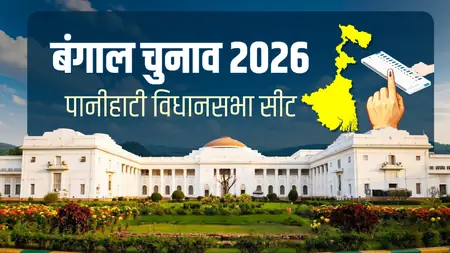
In the bustling suburbs of Kolkata, Panihati in North 24 Parganas stands as a key battleground for West Bengal’s 2026 assembly elections. This urban constituency, part of the Dum Dum Lok Sabha seat, has evolved from an industrial hub into a densely populated residential area, connected seamlessly by roads, suburban rails, and the expanding metro network.
Historically, the seat emerged post-1967 delimitation and has witnessed 14 elections. The CPI(M) dominated early on with eight victories, followed by Congress’s two wins and Trinamool Congress (TMC) securing four, including a strong run since 2011. Senior TMC leader Nirmal Ghosh has been the face, clinching three consecutive terms, most recently defeating BJP by over 25,000 votes in 2021.
Panihati’s voter base numbers around 2.31 lakh, predominantly urban middle and lower-income families. SC voters make up about 5%, with limited Muslim representation. Turnout has been decent but declining since 2011, raising concerns for electoral integrity.
Once known for rice trade and small industries like textiles and chemicals, Panihati now thrives on its proximity to Kolkata via Barrackpore Trunk Road and local rail stations. Political analysts predict TMC’s edge in 2026, but BJP’s rising presence—evident in 2019 and 2024 Lok Sabha polls—could polarize votes. Left-Congress alliances persist, keeping the race unpredictable.
Urban issues like development, organization strength, and voter turnout will shape the contest. As North 24 Parganas eyes a dynamic poll season, Panihati could dictate broader trends in Bengal’s political landscape.