
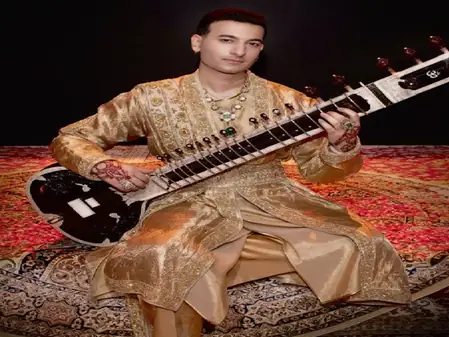
Mumbai’s classical music circles are abuzz with controversy as young sitar maestro Rishabh Rikhiram Sharma faces sharp rebuttal over his assertion of being the final disciple of the legendary Pandit Ravi Shankar. The claim, first aired at a recent event, drew immediate fire from Anoushka Shankar, the maestro’s daughter, who branded it outright false.
In a decisive move, the official Pandit Ravi Shankar Music Institute has now stepped in with a detailed statement, categorically denying Sharma’s status as the last shishya. While acknowledging that Panditji did impart some lessons to the young artist, the institute stresses there was never any formal initiation or guru-shishya ceremony. No priestly rituals, no extended teaching sessions, and certainly no public declaration of discipleship marked their association.
Recounting a specific incident on February 10, 2012, the statement notes Panditji, then in a wheelchair, attended one of Sharma’s performances. He introduced the young talent to the audience as a ‘new, wonderful young boy who has just become my student and to whom I have taught some lessons.’ Crucially, this offhand remark was never repeated, neither at that event nor afterward. Sharma’s primary training, the institute clarifies, came under the guidance of Parimal Sadaphal.
This clarification firmly establishes the true lineage: Panditji’s youngest disciples include Shubhendra Rao and Anoushka Shankar, who began learning at ages four and seven respectively. His final formal shishyas were Nishad Gadgil and Dr. Scott Eiseman. Sharma’s bold claim now stands debunked, casting a shadow over his rising profile.
Known for blending classical ragas with modern twists, Sharma has garnered fans with tracks like ‘Shiv Kailashon Ke Vaasi.’ Yet, this episode underscores the sacred traditions of Indian classical music, where formal discipleship isn’t casually conferred. As the dust settles, the music world watches how Sharma navigates this setback in his quest for legitimacy among purists.