
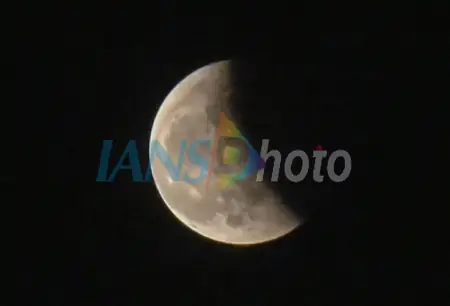
Noida buzzed with religious fervor as the lunar eclipse approached on March 3. Exactly nine hours prior to the celestial event, the sacred sutak period commenced, prompting temple authorities across the National Capital Region to seal their doors to devotees. This age-old tradition underscores the deep-rooted faith that governs Hindu practices during such astronomical occurrences.
At precisely 6:20 AM, amid rhythmic chants and Vedic incantations, the temple gates were ceremoniously closed. Priests urged the gathered faithful to honor the sutak by retreating to their homes for personal prayers and bhajans. In many shrines, the morning aarti was hastened to conclude before the cutoff, after which the premises were cleared entirely.
According to religious customs, the sutak phase is deemed inauspicious, believed to amplify negative energies in the atmosphere. To safeguard the deities, idols are veiled meticulously, and all puja items are stowed away securely. No rituals or worship activities take place within the temple walls during this time, preserving the sanctity of the space.
Temple committees have assured that post-eclipse, around 7:00 PM, the gates will reopen following rigorous purification rites. This includes sprinkling holy Ganga water, lighting incense and lamps, and performing special mantras. A grand aarti and pooja will then welcome back the devotees, marking the return to normalcy.
Local administrations joined hands with temple managements to appeal for calm adherence to these traditions. With crowds swelling due to the eclipse’s allure, officials emphasized arriving only after the reopening to avoid congestion. The NCR remains enveloped in a blend of devotion and anticipation as the lunar spectacle unfolds.