
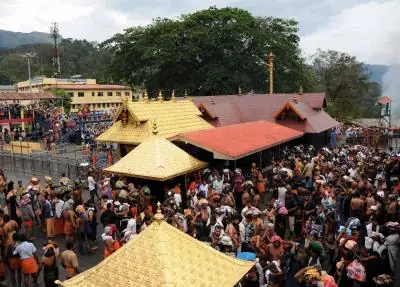
Thiruvananthapuram is bracing for a pivotal moment in the long-standing Sabarimala temple entry debate. With the Supreme Court set to revisit its landmark 2018 verdict allowing women of all ages into the Lord Ayyappa shrine, Chief Minister Pinarayi Vijayan’s government has adopted a measured stance. Law Minister P. Rajeev emphasized that the issue transcends simple yes-or-no answers, rooted deeply in constitutional complexities.
The government’s previous position aligned with the 2018 ruling, balancing faith traditions with social progress. Now, ahead of the April 7 hearing by a nine-judge Constitution Bench led by Chief Justice Suryakant, Kerala is under pressure from influential community bodies. The Nair Service Society (NSS) and Sree Narayana Dharma Paripalana Yogam (SNDP) have urged a reversal, demanding preservation of age-old customs.
NSS General Secretary G. Sukumaran Nair called on the state and Devaswom Board to retract earlier support, insisting the matter stay above electoral politics. He advocated maintaining the shrine’s traditional practices and withdrawing related protest cases. Echoing this, SNDP’s Vellappally Natesan stressed necessary reforms without tampering with Sabarimala rituals, advising the government to consult all stakeholders.
The court has mandated written submissions by March 14, aiming to conclude arguments by April 22. This review stems from petitions challenging the 2018 decision that ended the ban on women aged 10-50. As tensions simmer, Vijayan’s administration weighs devotion against modernity, promising a final position only after thorough deliberation.
The Sabarimala saga, blending spirituality and rights, continues to test Kerala’s social fabric. With pilgrimage season approaching, the outcome could reshape temple access and communal harmony for generations.