
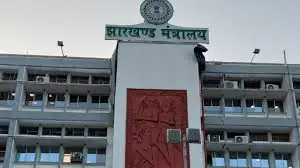
In a significant move to honor sporting excellence, the Jharkhand state cabinet convened on Thursday and greenlit 27 key proposals, with two deferred for further review. Held under the shadow of ongoing local body elections and the model code of conduct, the meeting’s decisions were not formally briefed to the press, but sources reveal game-changing policies for athletes.
At the heart of the approvals is a revamped pension scheme for medalists in international and national competitions. Sportspersons securing accolades in prestigious events like the Olympics, Asian Games, World Cups, and even National Games will now receive lifelong monthly pensions. Olympic medalists and Rajiv Gandhi Khel Ratna awardees top the list with Rs 20,000 per month, while National Games winners get a baseline of Rs 5,000, with graduated amounts in between for other elite events.
This restructuring aims to provide financial security to athletes who bring glory to the state, ensuring their dedication is rewarded beyond the podium. Officials emphasized that every major competition at these levels qualifies, broadening the scheme’s reach.
Among the deferred items was a proposal from the Personnel and Administrative Reforms Department to relax age limits for candidates appearing in the 14th JPSC exam. Submitted in August 2023, it faced postponement at Chief Minister Hemant Soren’s directive, as top-level consensus on the extent of relaxation remains elusive. Students have been advocating for a cut-off date of August 2018, contrasting the August 2017 date used for the 11th to 13th JPSC cycles.
Other approvals include extending C-DAC’s services for accounting and works management in departments like drinking water, sanitation, and water resources. Additionally, 2,727 posts of third and fourth-class employees in the Water Resources Department were transferred back to Personnel. Restructuring also touched faculty and non-teaching staff positions at Sido-Kanhu, Kolhan, and Vinoba Bhave universities.
These decisions underscore the government’s commitment to youth empowerment, administrative efficiency, and recognizing unsung heroes of sports. As Jharkhand navigates election protocols, these policy shifts signal proactive governance poised to impact lives across sectors.