
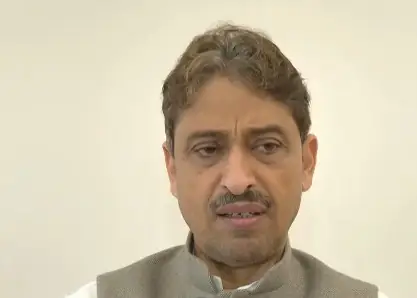
New Delhi’s political corridors are buzzing after Congress MP Imran Masood sharply criticized the recent clash at Jawaharlal Nehru University (JNU). Speaking exclusively to IANS, Masood accused vested interests of injecting hate politics into the prestigious institution, long revered as a bastion of secular ideology.
The MP dismissed the narrative framing the violence as a simple Left vs ABVP showdown. ‘This is not about Left or ABVP,’ he asserted. ‘It’s a deliberate attempt to sow seeds of hatred in JNU, the heart of India’s secular ethos.’ The confrontation, which saw two student groups locking horns, has sparked widespread debate on campus politics.
Turning to Prime Minister Narendra Modi’s recent remarks at the AI Summit targeting Congress, Masood fired back. ‘Congress didn’t ruin the country; the central government has,’ he said. ‘They’ve done all the destruction they could.’ His words underscore deepening rifts ahead of key electoral battles.
Masood expressed profound dismay over the FIR against Shankaracharya Avimukteshwaranand. ‘Nothing could be more tragic,’ he lamented. ‘Where are the so-called guardians of Sanatan Dharma now? Why are they silent when a Shankaracharya faces such accusations?’ He questioned the motives behind the complaint, urging scrutiny of those pulling the strings.
On the arrest of eight terror suspects plotting an attack, Masood stressed the need for stringent anti-terror measures but cautioned against hasty actions. ‘Terrorism demands tough response, no doubt,’ he noted. ‘But innocents shouldn’t suffer. Many languish in jail for 20 years only to be released later—let’s avoid that.’
Finally, addressing Taliban’s new oppressive laws against women, Masood decried their misalignment with Islamic principles. ‘I can’t fathom which book they drew these rules from,’ he said. ‘This defies the status of women in Islam.’ His comments highlight global concerns over women’s rights under extremist regimes.
As tensions simmer in JNU and beyond, Masood’s outspoken stance signals Congress’s aggressive pushback against perceived divisiveness.