
In the rich traditions of Sanatan Dharma, the Panchang serves as a celestial roadmap, guiding devotees through the day’s energies with its five key elements: Tithi, Nakshatra, Yoga, Karan, and Vaar. For February 18, the Panchang heralds Phalgun Shukla Pratipada Tithi, lingering until 4:57 PM, before giving way to Dwitiya.
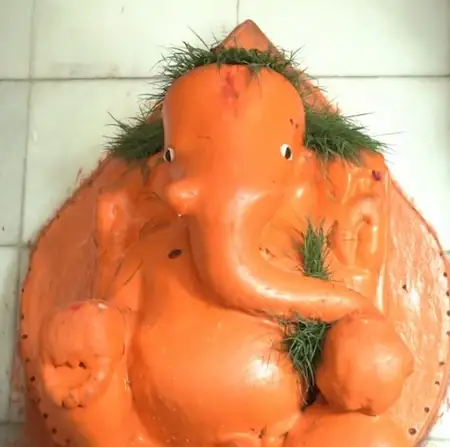
Wednesday, sacred to Lord Ganesha, the remover of obstacles, calls for heartfelt worship. Devotees are encouraged to perform rituals in the morning or during auspicious Muhurats. Offerings of durva grass, sindoor, betel leaves, perfume, laava, sesame seeds, and sweets like modak, kheer, or halwa will invite prosperity, remove hurdles, and bless households with abundance.
According to Drik Panchang, Shatabhisha Nakshatra prevails until 9:16 PM, transitioning to Purva Bhadrapada. Shiva Yoga holds sway until 10:45 PM. The Karan is Bava until 4:57 PM. Moon transits Aquarius, with sunrise at 6:57 AM and sunset at 6:13 PM.
Prime auspicious windows include Brahma Muhurat from 5:15 AM to 6:06 AM, ideal for meditation; Vijay Muhurat from 2:28 PM to 3:13 PM for victories; Godhuli Muhurat from 6:11 PM to 6:36 PM for serene rituals; and Amrit Kaal from 2:04 PM to 3:40 PM for new beginnings. These slots are perfect for pooja, japa, or launching ventures.
Steer clear of inauspicious periods: Rahu Kaal from 12:35 PM to 2:00 PM forbids marriages, naming ceremonies, housewarmings, or travel. Yamaganda spans 8:22 AM to 9:46 AM, Gulikai from 11:11 AM to 12:35 PM. Panchak Yoga persists all day, prompting caution with manglik activities. Plan wisely to harness the day’s positive vibes.