
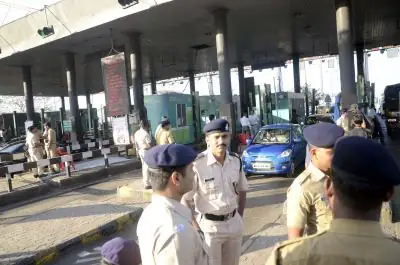
New Delhi is gearing up for a major transformation in highway travel. Starting April 1, 2026, the National Highways Authority of India (NHAI) plans to completely eliminate cash payments at toll plazas across the country’s national highways. This bold move aims to usher in a fully digital tolling ecosystem, making every toll transaction seamless and electronic.
The initiative, announced by the Ministry of Road Transport and Highways, builds on the resounding success of electronic toll collection systems. With Fastag penetration exceeding 98%, most vehicles now zip through plazas without stopping, thanks to RFID technology. The addition of UPI payments has further simplified options for drivers without active tags.
Under the new system, all payments will exclusively use Fastag or UPI, eliminating queues and cash handling altogether. Officials highlight that this will boost lane capacity, reduce congestion, and enhance transparency in collections. For users, it promises ‘ease of commuting’ with contactless, frictionless journeys on over 1,150 toll plazas nationwide.
Currently, cash payers face double charges, while UPI users pay 1.25 times the standard fee. The shift to digital-only is expected to streamline operations, improve traffic flow, and cut delays significantly. Fastag annual passes have surged past 5 million users, with over 265 million transactions in the first six months alone. Priced at a one-time Rs 3,000 fee, these passes remain valid for a year or up to 200 toll crossings, freeing frequent travelers from repeated recharges.
This digital leap reinforces India’s push towards a cashless economy, setting a new standard for infrastructure efficiency. As adoption grows, highway users can look forward to smoother, smarter roads ahead.