
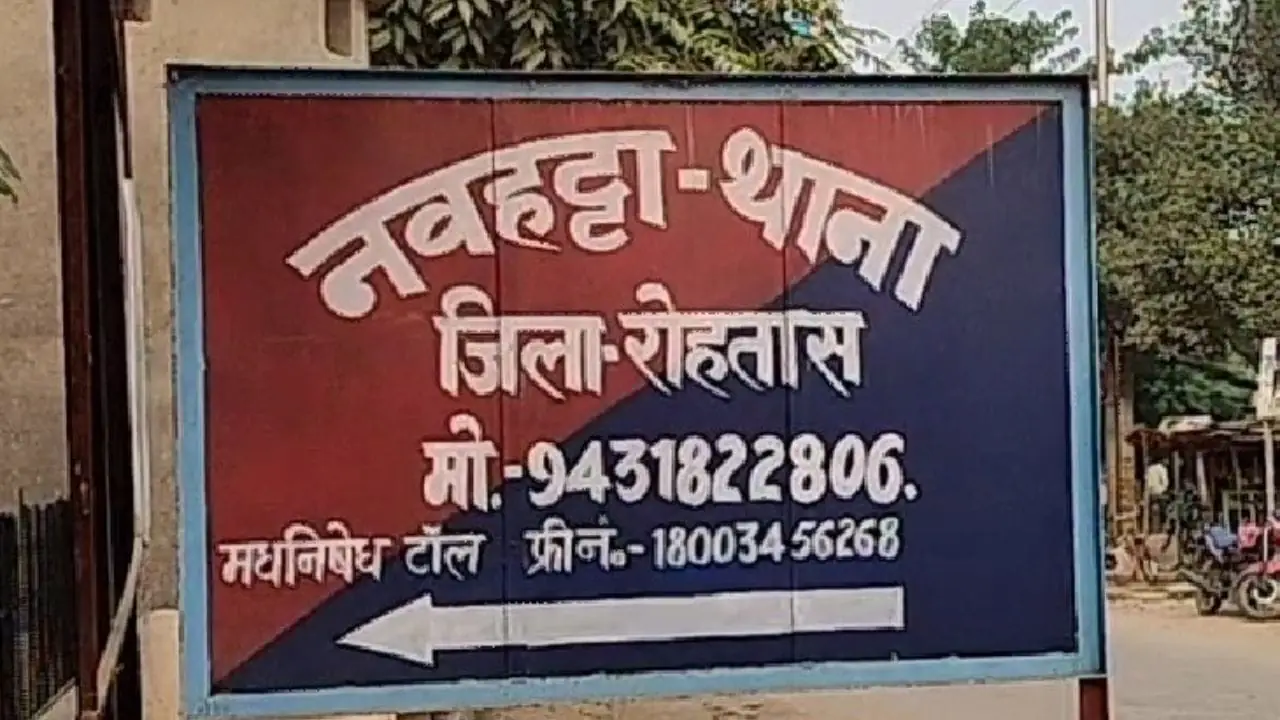
In a shocking display of overreach, Bihar Police in Rohtas district has invoked the stringent SC/ST Act against a mere 9-year-old child. The incident, which unfolded in the Navhatta police station area, has drawn sharp criticism from the Juvenile Justice Board, prompting an urgent demand for explanation from authorities.
The controversy stems from a petty quarrel among children in a local village back in December 2025. What began as a childish scuffle escalated when one boy’s mother filed a complaint at the police station, leading to an FIR under the SC/ST Act against five individuals—including the innocent 9-year-old. The case landed before the Juvenile Justice Board on February 19, where magistrates were stunned by the child’s tender age.
Magistrate Amit Kumar Pandey and member Tej Bali Singh immediately questioned the legality of applying such a serious law to a minor. They ordered the Navhatta station house officer to remove the SC/ST charges from the boy within 24 hours and submit a detailed report explaining the bizarre decision. Key details like the ages of the accused were glaringly absent from the FIR, further highlighting police negligence.
The Board labeled this as a blatant misuse of the SC/ST Act, designed to protect marginalized communities from atrocities, not to target schoolchildren in playground fights. They warned that unsatisfactory responses would escalate the matter to senior district officials. Meanwhile, the SHO defended the initial FIR citing assault and verbal abuse but admitted confusion over how the SC/ST clause was erroneously added to the minor’s name.
This isn’t the first time Bihar Police has faced backlash for indiscriminate use of the SC/ST Act. Just weeks ago, over 200 villagers in Darbhanga were similarly charged, sparking widespread outrage. Critics argue such actions erode public trust and undermine the law’s true purpose. As the investigation unfolds, all eyes are on Rohtas police to rectify this grave error and prevent future mishaps. The incident underscores the need for better training and oversight in law enforcement to ensure justice serves its intended purpose.