
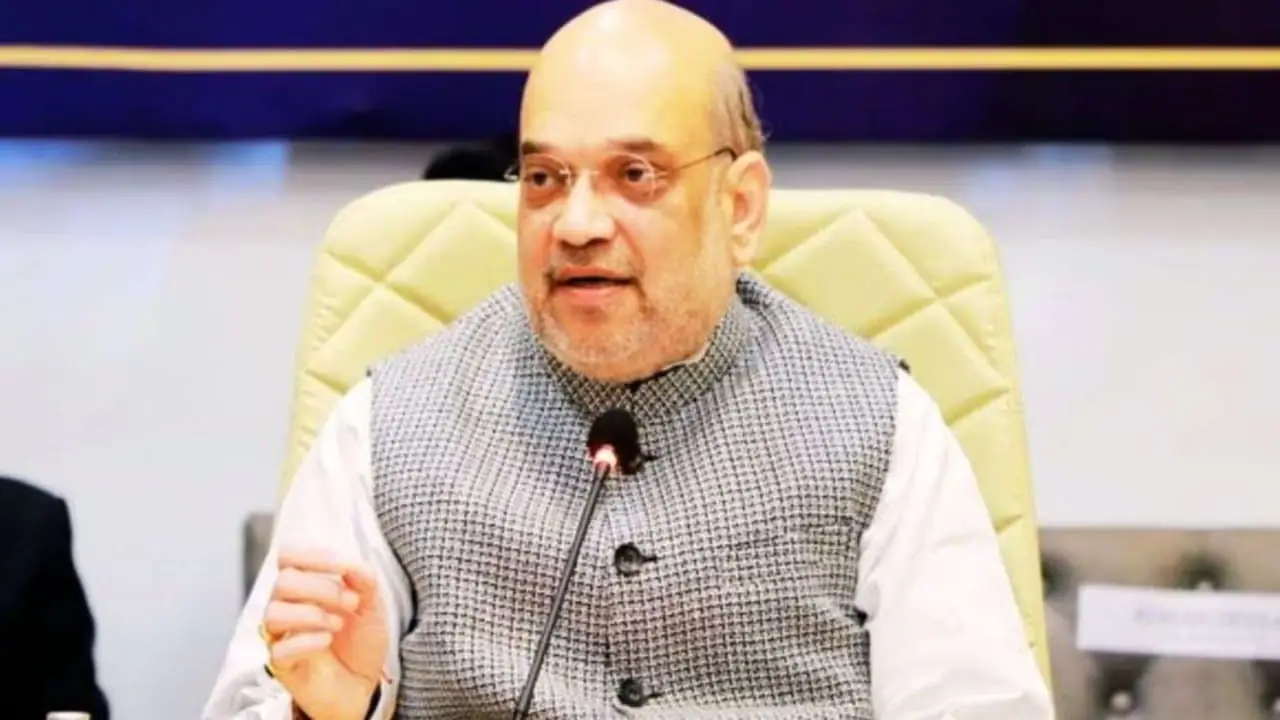
Union Home Minister Amit Shah has arrived in Bihar to kick off a crucial three-day tour of the Seemanchal region, a sensitive border area sharing frontiers with Nepal and Bangladesh. His visit comes at a time when concerns over illegal infiltration, demographic shifts, and cross-border smuggling have reached a boiling point.
Shah’s itinerary is packed with high-stakes meetings. He will chair a detailed review session with senior officials from the Sashastra Seema Bal (SSB), Enforcement Directorate (ED), Intelligence Bureau (IB), and other central agencies. The focus? Strengthening India-Nepal border security and management. Expect discussions on the Vibrant Villages program aimed at developing border areas to deter infiltration.
In a move that underscores the gravity of the situation, Shah will delve into the law and order challenges plaguing seven border districts. District magistrates, superintendents of police, and top administrators will present reports on illegal religious structures popping up along the borders—structures allegedly linked to demographic changes driven by infiltrators. Shah is likely to demand strict action against those responsible.
The agenda extends to infrastructure boosts. At Kishanganj’s collectorate, he’ll review the Land Ports Authority operations. The next day brings inaugurations of border outposts at Letti and Indarwa, alongside virtual foundation stones for SSB projects via video conference.
JD(U) leader Ashok Choudhary welcomed the visit, highlighting persistent issues like drugs, fake currency from Nepal’s open border, and Bangladeshi infiltrators flooding Seemanchal. ‘Just match voter lists with Aadhaar cards in Kishanganj, and the discrepancies will shock you,’ he said, emphasizing the scale of the problem.
This tour signals New Delhi’s zero-tolerance stance on border vulnerabilities. As Shah wraps up, Bihar’s security apparatus will have clear directives to safeguard the region’s integrity amid rising geopolitical tensions.