
In the vibrant town of Barsana, Uttar Pradesh, the air is thick with anticipation for the iconic Lathmar Holi. Streets are adorned with colorful decorations, buzzing with energy as preparations reach fever pitch. Artisans are putting final touches on elaborate costumes for Radha Rani and Lord Krishna, ensuring the divine duo shines during the festivities.
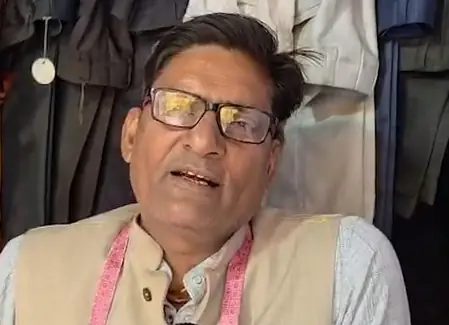
Local shopkeeper Mahesh Kumar Sharma shared insights into the meticulous craft. ‘It takes about six hours to stitch the outfits for both Radha Rani and Kanha ji,’ he explained. These garments, handmade by skilled tailors at home, follow the same sizes used for decades. Sharma’s family has been part of this tradition for 30-35 years, preserving the sacred ritual with unwavering dedication.
As the celebrations approach, another shopkeeper, Sanjiv Agarwal, highlighted preparations for Laddu Holi on February 24. New attire will grace Radha Rani, Laddu Gopal, and their companions Vishakha and Lalita. ‘The details are extraordinary,’ Agarwal noted. Radha’s ensemble features a flowing river-patterned skirt, intricate kanchari, and a special shawl shared with Krishna. For the lord, there’s a jama, dupatta, and pajama, while his sakhis get custom outfits—eight pieces in total, sponsored this year by a Delhi Agarwal family.
Lathmar Holi stands out for its playful yet rooted tradition. Women of Barsana, known as Huriarins, wield sticks against men from Nandgaon, the Huriaras, who shield themselves with shields. This reenactment draws from legends of Krishna visiting Radha in Barsana, only to face loving ‘punishment’ from the gopis with lathis. As Phalgun arrives, Barsana transforms into a canvas of devotion, color, and unbridled joy, drawing devotees from across the globe to witness this unique slice of Indian heritage.