
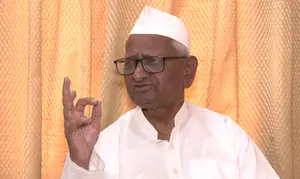
In a powerful call amid escalating global conflicts, veteran activist Anna Hazare has penned a heartfelt letter to Prime Minister Narendra Modi, urging India to take the lead in promoting peace worldwide. With tensions boiling over between Iran, Israel, and the United States, Hazare emphasized India’s historic role as a beacon of non-violence and dialogue.
Hazare’s letter paints a grim picture of the current world order. ‘The world is passing through extremely worrying times,’ he wrote, highlighting how ordinary citizens—women, children, and families—are bearing the brunt of relentless conflicts. Recent strikes in the Middle East, including joint Israel-US attacks on Tehran that claimed high-profile Iranian leaders like Supreme Leader Ayatollah Ali Khamenei, have intensified the crisis. Iran’s retaliatory missile barrages on American bases across the region have only fueled the fire, leaving the situation volatile even after a week.
Drawing from India’s rich cultural heritage of ahimsa, Hazare implored the government to step forward. ‘India has always strived to show the path of dialogue and peace to the world,’ he noted. He called for India to adopt a neutral yet responsible stance, prioritizing trust and conversation over arms. ‘Wars bring only destruction; dialogue paves the way for solutions and stability,’ Hazare asserted.
Praising PM Modi’s leadership on global issues, Hazare believes India’s voice could inspire humanity at this critical juncture. As a major democracy, he argued, India must champion the cause of innocent lives and push for de-escalation. This appeal comes at a time when Middle East instability threatens broader geopolitical ripples, making India’s proactive role more vital than ever.
Hazare’s message resonates deeply in a nation long admired for its peace advocacy, from Gandhi’s legacy to modern diplomatic triumphs. Whether through multilateral forums or bilateral outreach, experts suggest India is uniquely positioned to mediate. As the world watches the unfolding drama, Hazare’s letter serves as a timely reminder of diplomacy’s enduring power.