
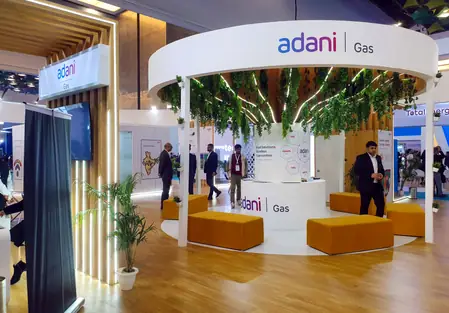
In a bold move amid escalating geopolitical tensions in the Middle East, Adani Total Gas Limited (ATGL) has chosen to keep prices of Compressed Natural Gas (CNG) for vehicles and Piped Natural Gas (PNG) for households unchanged. This decision comes even as gas supplies face disruptions due to the Iran conflict, providing much-needed relief to millions of consumers.
Company officials announced on Friday that despite challenges in imported natural gas, retail prices for domestic users remain steady. ATGL sources around 70% of its gas from domestic fields, ensuring stability for retail CNG stations and household PNG connections. This domestic reliance has buffered the company from the full brunt of international supply chain issues.
However, larger industrial and commercial customers aren’t as fortunate. With about 30% of ATGL’s gas needs met through imported LNG, primarily from the Gulf region, these segments are seeing reduced allocations. Customers have been instructed to limit usage to 40% of their contracted volumes due to blockages in key shipping routes like the Strait of Hormuz.
The Strait of Hormuz, a vital artery for global energy trade, has seen shipping nearly halt amid rising hostilities. Qatar, a major LNG exporter, has also paused shipments following Iranian missile strikes on U.S. bases. Globally, 20% of oil and gas transits this chokepoint, raising fears of supply shortages and price spikes worldwide.
ATGL executives emphasized that industrial clients will be billed at contract rates for up to 40% consumption. Any excess demand will require purchases from the spot market at prevailing higher rates. ‘We are committed to maintaining uninterrupted supply to all consumers while navigating these extraordinary circumstances,’ a spokesperson stated.
This pricing stability for retail segments underscores ATGL’s strategy to prioritize everyday users during crises. As tensions simmer in the Gulf, the company’s domestic sourcing proves a strategic advantage, potentially setting it apart from competitors facing steeper import costs. Consumers can breathe easier knowing their fuel bills won’t surge amid global uncertainty.