
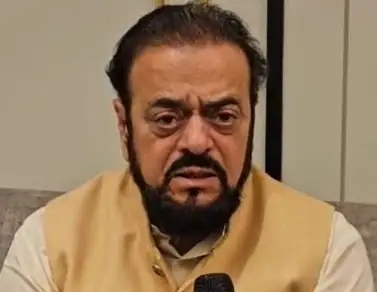
Mumbai’s political circles are buzzing after a controversy erupted over a portrait of Tipu Sultan displayed in the office of Malegaon’s Deputy Mayor. Samajwadi Party legislator Abu Azmi has come out swinging, accusing certain forces of deliberately stoking Hindu-Muslim divides through historical grievances.
In a pointed interview, Azmi emphasized that India operates under a single Constitution, which recognizes freedom fighters like Rani Lakshmibai and Tipu Sultan alike in its historical narrative. ‘These people are intentionally dredging up history to polarize communities,’ he charged, highlighting how Tipu Sultan’s birth anniversary celebrations had previously been banned but were later cleared by the Bombay High Court in 2024.
Azmi defended Tipu as a brave warrior who battled British colonial forces relentlessly for India’s independence. He challenged critics to provide concrete evidence of temple destructions attributed to Tipu, questioning the specifics of time, place, and incidents. ‘History can’t erase his legacy,’ Azmi asserted, noting Tipu’s economic achievements where regions under his rule prospered beyond British standards.
He revealed lesser-known facts, such as Tipu’s donations to temples and their maintenance during his reign. Turning to contemporary issues, Azmi decried attacks on religious sites today, from mosques to temples, and reiterated his opposition to any such vandalism. ‘We want brotherhood, not division,’ he said, specifically addressing the Deputy Mayor’s right to hang the portrait in a personal office space.
Drawing parallels to the Babri Masjid demolition, Azmi questioned the selective outrage and accused the government of using history as a tool for societal fragmentation. On a celebratory note, he congratulated India on its cricket victory over Pakistan, urging national unity and peace amid such triumphs. As debates rage on, Azmi’s words underscore a call for unity over division in India’s diverse fabric.