
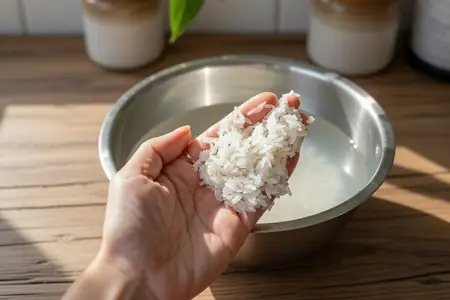
In the rush of daily life, many of us grab a handful of rice, rinse it quickly, and toss it straight into boiling water. But nutrition experts warn this habit could be robbing you of vital health benefits. Soaking rice before cooking isn’t just an old wives’ tale—it’s a simple step backed by science that enhances nutrient absorption, improves digestion, and even helps manage blood sugar levels.
At the heart of this practice is phytic acid, a natural compound in rice that acts like a lock on essential minerals such as iron, zinc, and calcium. Without proper preparation, your body struggles to unlock these nutrients. Soaking rice in water for a short period breaks down phytic acid, making minerals more bioavailable. This is particularly crucial for those battling anemia or mineral deficiencies, as studies from the National Library of Medicine highlight improved mineral uptake post-soaking.
Beyond nutrition, soaking transforms the rice itself. Grains become fluffier, cook faster, and develop a superior texture and flavor. Enzymes activated during soaking convert complex carbohydrates into simpler sugars, easing digestion and reducing bloating. For diabetics, the real game-changer is the lowered glycemic index (GI) of soaked rice, which prevents sharp blood sugar spikes after meals.
Timing matters: White rice needs just 15-20 minutes, basmati 20-30 minutes, while brown rice benefits from 6-8 hours and whole grain varieties up to 12 hours. Always rinse thoroughly 2-3 times first to remove surface starch and impurities. However, don’t overdo it with white rice, as prolonged soaking might leach out water-soluble vitamins.
From Ayurvedic traditions to modern research, the consensus is clear: Soaking rice is a low-effort hack for better health. Next time you’re in the kitchen, give your rice that essential soak—your body will thank you with improved vitality and sustained energy throughout the day.