
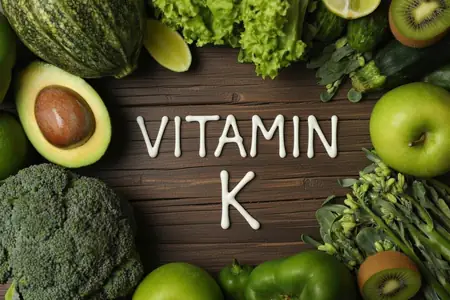
In the world of nutrition, calcium shortages, iron deficiencies, and vitamin D gaps often steal the spotlight when health falters. Yet, one crucial nutrient flies under the radar: vitamin K. This powerhouse vitamin plays a pivotal role in blood clotting, bone strength, and cardiovascular protection. When levels drop, a cascade of serious health issues can emerge, often without warning.
Scientifically, vitamin K is a fat-soluble compound that activates key proteins in the body. It ensures blood coagulates properly during injuries, preventing excessive bleeding. A deficiency manifests in subtle yet alarming ways—frequent nosebleeds, bleeding gums, or easy bruising from minor bumps. These are red flags signaling weakened clotting mechanisms.
Beyond blood, vitamin K fortifies bones by aiding the production of osteocalcin, a protein that binds calcium to bone tissue. Insufficient levels mean calcium fails to integrate properly, leading to brittle bones and heightened osteoporosis risk over time.
Heart health hangs in the balance too. Vitamin K prevents unwanted calcium buildup in arteries, keeping them flexible. Low supplies allow calcification, stiffening vessels and straining the heart, which elevates risks for coronary diseases.
Newborns face acute vulnerability. Born with minimal stores and immature gut bacteria unable to synthesize it, infants risk hemorrhagic disease, where internal or brain bleeding threatens life. That’s why pediatric protocols mandate vitamin K injections at birth—a simple safeguard against tragedy.
Diet rich in leafy greens like spinach, kale, and broccoli, alongside fermented foods, can replenish stores. Regular check-ups and awareness empower us to counter this hidden threat before it escalates.