
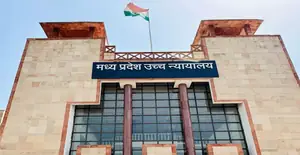
In a stern ruling that underscores the gravity of public health negligence, the Madhya Pradesh High Court on Tuesday dismissed the regular bail applications filed by a pharmacist, pediatrician Dr. Praveen Soni, his wife Jyoti Soni, and his nephew in the tragic Coldrief cough syrup scandal in Chhindwara.
Justice Pramod Kumar Agarwal’s bench meticulously reviewed the case details, emphasizing the horrific consequences of the tainted syrup. The court declared that the circumstances surrounding the incident do not warrant granting bail. At the heart of the allegations is the pharmacist’s substitution of the prescribed Nexstro-DS syrup with the toxic Coldrief variant. No sales receipt was maintained, and evidence tampering was alleged, including the destruction of 66 bottles.
The pharmacist stands accused of failing in his duty as the technical custodian responsible for safe drug dispensing, record-keeping, and protecting public safety. Compounding the issue, Dr. Praveen Soni allegedly dispensed Coldrief to children without prescriptions—a clear violation of medical ethics and law. This illicit swap, coupled with breaches in licensing norms, directly fueled the catastrophe.
Laboratory tests confirmed lethal levels of diethylene glycol in the factory-made syrup, triggering acute kidney failure in children and claiming over 26 young lives. The incidents unfolded between August and October 2025 at the Parasiya Community Health Centre in Chhindwara district. In response, the Madhya Pradesh government banned the syrup on October 4, 2025.
Prosecutors argued that the pharmacist, doctor, and others profited through commissions, prioritizing gain over lives. The accused have been in custody since October 13, 2025. The court noted robust prima facie evidence under Sections 105, 276, and 238(b) of the Bharatiya Nyaya Sanhita, alongside Section 27(a) of the Drugs and Cosmetics Act.
This bail denial highlights systemic lapses in drug manufacturing, distribution, and prescription practices, sparking nationwide scrutiny. The ruling pertains solely to bail and will not impact the main trial, but it serves as a wake-up call for stricter oversight in healthcare.