
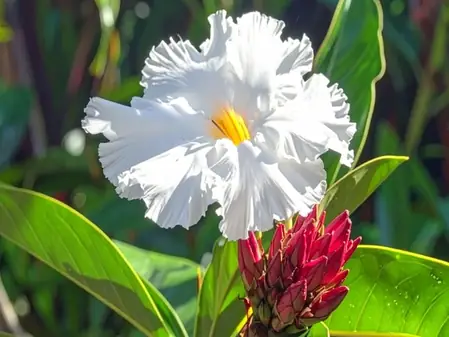
In the ancient wisdom of Ayurveda, rare herbs have long been revered for their power to combat even the most stubborn ailments. Among these treasures is Kevakand, also known as wild ginger, a versatile plant whose roots, stems, and leaves brim with medicinal properties. Found easily across India and beyond, this unassuming herb holds secrets that could transform health for those battling physical weakness and joint issues.
Kevakand’s tubers, often called wild ginger roots, stand out for their ability to balance Vata and Kapha doshas, making them a staple in traditional remedies. During winter, when its warming nature is most beneficial, people prepare its vegetable or soothing soups to bolster strength and vitality. This heat-generating quality makes it ideal for seasonal wellness routines.
For kidney stone sufferers or those with diminished renal function, Kevakand decoction offers remarkable relief. Regular intake reduces painful urination, burning sensations, and frequent urges, while warding off infections. Available as powder in markets, it also eases swelling and arthritis pain, providing natural anti-inflammatory support.
Digestive woes find a powerful ally in roasted Kevakand mixed with sugar and tamarind to form a chutney, effective against dysentery, diarrhea, and gut disturbances. Children plagued by intestinal worms benefit from its juice blended with honey, improving digestion and expelling parasites effortlessly.
Even diabetics can incorporate it safely—through decoctions from roots or leaves—to manage blood sugar. Yet caution is key: its hot potency can cause internal heat if overconsumed. Pregnant women should avoid it entirely, and anyone with serious conditions must consult an Ayurvedic expert first. Kevakand exemplifies nature’s pharmacy, blending potent benefits with mindful use for optimal health.