
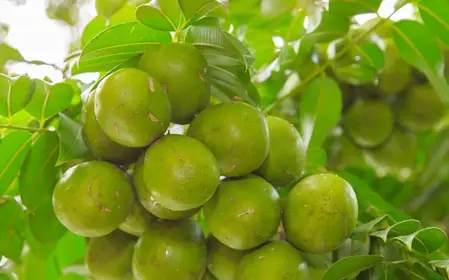
In the heart of India’s tropical landscapes, a humble fruit known as Jungle Jalebi or Aamda (Spondias pinnata) emerges as a nutritional gem. Often overshadowed by its cousin the Indian gooseberry, this tangy-sweet delight packs more vitamin C than nearly any other natural source. As summers approach, households across Bihar and beyond eagerly await its arrival, turning it into mouthwatering chutneys, pickles, and curries that blend flavor with formidable health benefits.
Native to India’s subtropical regions, the Aamda tree grows slowly but steadily, dotting rural backyards and wild groves. Its small, round fruits shift from green to yellow, bursting with a unique sour-sweet profile that makes them irresistible. Beyond vitamin C, these fruits are loaded with iron, calcium, dietary fiber, and potent antioxidants, offering a comprehensive boost to daily wellness.
Traditional Indian kitchens have long championed Aamda’s versatility. Raw slices spice up salads, while cooked versions form the base of spicy sabzis and tangy preserves enjoyed year-round. Bihar’s Forest and Environment Department highlights it as nature’s gift, promoting its cultivation for both sustenance and sustainability.
Ayurveda reveres Aamda for its multifaceted healing properties. The fruit strengthens digestion, alleviates constipation, stimulates appetite, and combats skin ailments. Leaves, bark, and seeds find use in herbal remedies, thanks to anti-inflammatory compounds that shield the body from free radicals and chronic diseases.
What sets Aamda apart is its seasonal timing—peaking in the scorching summer heat—yet its pickled forms ensure benefits throughout the year. Nutritionists recommend incorporating it regularly to fortify immunity, enhance skin glow, and support overall vitality. In an era of processed foods, this indigenous superfruit reminds us of the power of local, natural nutrition.