
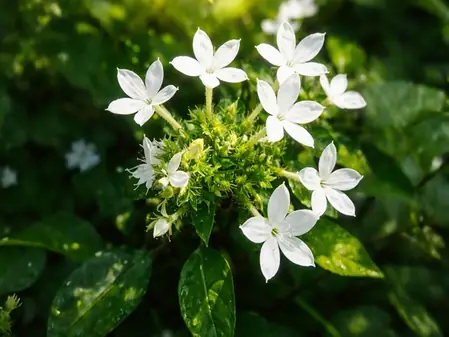
In the heart of India’s ancient healing traditions, few herbs command the respect that Chitrak does. This rare mountain gem, known scientifically as Plumbago zeylanica, has been a cornerstone of Ayurveda for centuries, tackling everything from stubborn digestive woes to persistent respiratory issues.
Nestled in the rugged terrains of the Himalayas and other high-altitude regions, Chitrak’s roots hold the key to its potency. With a hot potency and pungent taste, it fires up the digestive system like no other. Healers have long praised it as the ‘king’ for gut disorders, thanks to its anti-diabetic, anti-fungal, anti-inflammatory, and anti-ulcer properties.
Imagine a child writhing in abdominal pain from intestinal worms, a common plight from unhygienic habits. A simple decoction of Chitrak roots can expel those parasites and soothe the discomfort. Adults aren’t left out either—joint pains and swelling find relief through internal consumption or external pastes applied directly to the affected areas.
Skin troubles plague modern lives, from acne due to blood impurities to boils in humid summers. Chitrak paste works wonders here, purifying the blood and healing chronic dermatological conditions. But its reach extends further. When seasonal shifts trigger coughs, colds, or even asthma due to weakened immunity, Chitrak steps in to balance Vata and Kapha doshas, restoring respiratory harmony.
This isn’t folklore; it’s backed by time-tested Ayurvedic wisdom. Yet, caution is key—always consult a qualified physician before incorporating this powerhouse into your routine. Chitrak isn’t just an herb; it’s a revival of nature’s pharmacy, offering hope where conventional remedies falter.