
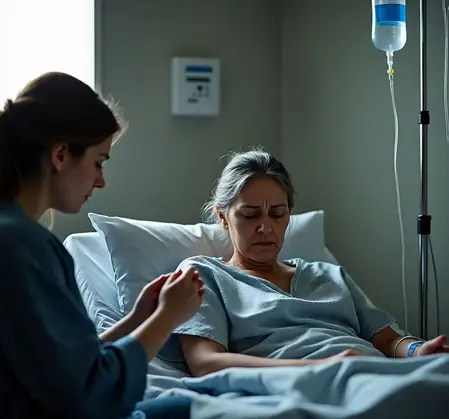
Cancer remains a relentless global killer, casting a long shadow over patients and their families alike. In Southeast Asia alone, 2022 saw nearly 1.9 million new diagnoses and 1.3 million deaths, including over 56,000 cases among children. Despite remarkable strides in medical science, the burden is intensifying, with projections indicating a near doubling of cases and fatalities by 2050.
Dr. Katharina Boehm, WHO Officer-in-Charge for Southeast Asia, highlighted this year’s World Cancer Day theme: ‘United by Unique.’ She emphasized that while cancer is a universal threat, its impact varies by nation, city, and individual. Effective prevention and treatment demand collaborative, locally tailored strategies.
The WHO’s 2024-2030 Cancer Prevention and Control Strategy is empowering countries to develop national plans, strengthen registries, enhance early detection, improve treatment access, and expand palliative care. Partnerships with IAEA and IARC provide baseline analyses to guide investments.
Regional platforms like SEAR-CCN for pediatric cancers and the Southeast Asia Cancer Grid (SeaCan Grid) foster collaboration, ensuring evidence-based approaches fit local contexts. Countries are stepping up: Thailand’s ‘Cancer Anywhere’ initiative offers treatment at any public hospital, India is expanding day-care chemotherapy centers in district hospitals, Bhutan’s population-based registry collects nationwide data for better programs, Myanmar builds satellite networks for child cancer care, Nepal provides free treatment, and Sri Lanka crafts a dedicated national policy.
Yet challenges loom large. The mortality-to-incidence ratio in Southeast Asia is nearly double that of high-income countries, and triple for children. Not all nations have national control plans, screening coverage lags, and access to diagnosis and care remains uneven. Political will and sustained investment are crucial to turn the tide.