
A chilling reminder of Nipah virus’s deadly grip struck Bangladesh this week, as the World Health Organization confirmed the death of a woman in her 40s or 50s from the infection. Symptoms emerged on January 21, starting with fever and headaches that rapidly escalated to excessive salivation, confusion, and seizures. She passed away just a week later, with lab confirmation following a day after.
The patient had no recent travel history, but investigations revealed she had consumed raw date palm sap—a known vector for the virus transmitted by fruit bats. Health authorities are now monitoring 35 close contacts, all testing negative so far, with no secondary cases reported.
This outbreak comes just two weeks after two healthcare workers in West Bengal’s 24 Parganas district, India, tested positive for Nipah. That news prompted immediate airport screenings across Asia, including Malaysia, Thailand, and Indonesia.
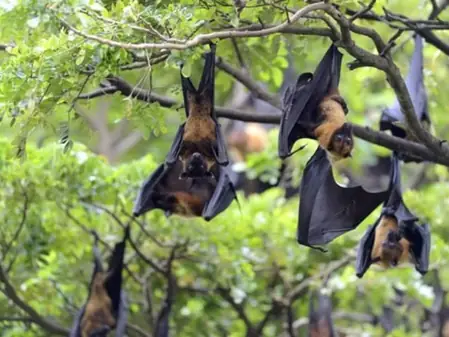
Nipah virus, notorious for up to 75% fatality rates, primarily spreads from contaminated fruits or bat secretions rather than human-to-human transmission. WHO assesses the global risk as low and advises against travel or trade restrictions based on current data.
In 2025 alone, Bangladesh has seen four lab-confirmed fatal cases. With no vaccine or specific treatment available, prevention hinges on basics: frequent handwashing with soap, avoiding flying fox bats and sick pigs, steering clear of bat habitats, and not consuming items touched by bats.
As vigilance ramps up regionally, experts urge public awareness to curb this bat-borne threat before it escalates.