
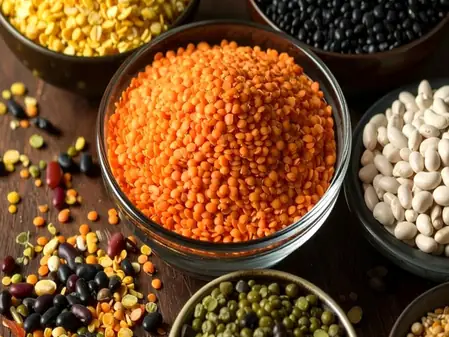
In the ancient wisdom of Ayurveda, lentils are more than just a dietary staple—they’re potent healers. From moong to black chickpeas, each variety offers unique benefits tailored to body types and seasons. Discover how these powerhouse pulses can boost your health while avoiding common pitfalls.
Moong dal stands out for its light, cooling nature, making it ideal for those with weak digestion, acidity, diabetes, PCOS, or thyroid issues. It digests easily, providing gentle nourishment without overwhelming the system. However, steer clear of it at night during cold weather or if you’re prone to excess phlegm and colds.
Masoor dal brings warmth to the body, perfect for weight loss and reducing fatty liver. Its heating potency helps maintain internal fire, but those suffering from joint pain, piles, digestive woes, or kidney problems should limit intake to prevent aggravation.
Arhar dal delights the palate while combating general weakness. Packed with nutrients, it’s a favorite in Indian kitchens. Acidity sufferers, though, should avoid spicy versions at dinner to prevent discomfort.
Chana dal curbs excessive hunger, aiding diabetes management and appetite control. Those with fragile digestion should skip it for evening meals.
Urad dal strengthens joints and banishes fatigue, but it’s a no-go for obesity, high phlegm, fever, or acidity.
Rajma, rich in protein and fiber, fuels vitality—unless you’re battling gas, IBS, thyroid issues, or aiming to shed pounds.
White chickpeas (kabuli chana) build muscle effectively, but women with constipation, acidity, or PCOS need moderation.
Black chana boosts stamina and iron levels, yet minimize it if gas, bloating, or joint pain plague you.
Dried peas deliver protein and energy, but colds, phlegm, gas, or poor digestion call for restraint.
Incorporating these lentils mindfully aligns your diet with Ayurvedic principles, promoting balance and vitality for long-term wellness.