
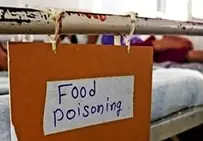
In a shocking public health crisis unfolding in Rajamundry, Andhra Pradesh, seven individuals remain in critical condition after consuming contaminated milk, with four already succumbing to the deadly effects. Health Commissioner Veerapandian provided this grim update on Tuesday, highlighting the ongoing battle to save lives.
A total of 15 patients are currently hospitalized, including vulnerable children—one just five months old. Three are on ventilators, two undergoing dialysis, and three receiving combined ventilator-dialysis support. Medical teams are working around the clock, sourcing specialized kidney-boosting drugs from Chennai and Mumbai that weren’t locally available, following advice from senior nephrologist Raviraj.
The tainted milk was distributed to homes on February 16. Authorities suspect a coolant leak from a milk chilling machine introduced ethylene glycol into the supply. No urea traces have been found yet, but experts note that such adulterants cause delayed kidney and liver failure with prolonged exposure. Ethylene glycol contamination, however, can trigger severe symptoms within three to four days.
Blood samples from 315 people across 110 affected families revealed elevated creatinine in two and suspicious symptoms in one—all now stable in hospital. Preventive measures include 24-hour doctor deployments in impacted areas for the next month.
Police have detained the vendor, questioned the machine repair mechanic, and are probing storage practices. Samples of curd, ghee, vinegar, and residual milk products have been rushed to certified labs in Hyderabad and Kakinada for analysis. Water samples’ results are expected mid-week, promising clarity on the contamination source.
Starting Wednesday, a statewide crackdown will collect samples from all milk traders, producers, and storers, verifying licenses. This tragedy underscores the urgent need for stringent food safety oversight to prevent future disasters.