
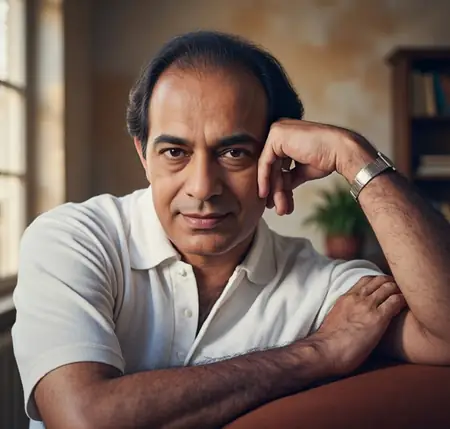
In the ever-evolving world of Hindi cinema music, few artists have left an indelible mark like Talat Mahmood. Born on February 24, 1924, in Lucknow, he emerged in the 1950s as a revolutionary voice that infused Bollywood with the soulful depth of ghazals. While most songs of the era were upbeat romances or simple melodies, Talat brought Urdu poetry’s elegance and emotional nuance to the silver screen.
His voice carried a unique, gentle quiver that pierced straight to the heart. Singing shers with profound feeling, he stripped away bombast for pure simplicity. This approach birthed a new genre: the film ghazal, captivating audiences and composers alike.
The 1950s marked Talat’s golden era. Tracks like ‘Shaam-e-Gham ki Kasam’ from the film of the same name, ‘Jalte Hain Jiske Liye’ from Shree 420, and ‘Phir Wahi Shaam Wohi Gham’ showcased ghazals’ cinematic power. In an age of powerhouse vocals, his soft, measured style stood out, bolstered by impeccable Urdu diction and poetic insight.
Composers began crafting more ghazal-inspired tunes, thanks to him. Fans embraced this fresh sound wholeheartedly, cementing its place in Bollywood history.
Talat’s influence crossed borders. In 1960, he lent his magic to two Bengali songs for a film from then-East Pakistan (now Bangladesh). Despite the language barrier, his timbre won hearts, proving his global appeal.
Decades later, as musical tastes shift, Talat Mahmood’s legacy endures. He didn’t just sing; he transformed how emotions were woven into melody, ensuring film ghazals remain timeless.