
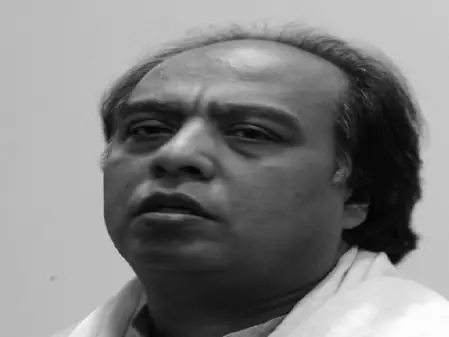
New Delhi’s Supreme Court has deferred the high-profile copyright dispute between classical vocalist Ustad Fayyaz Wasifuddin Dagar and music maestro AR Rahman. The next hearing for the case, centered around the song ‘Veyra Raja Veyra’ from Mani Ratnam’s Ponniyin Selvan 2, is now scheduled for February 13.
The controversy erupted last year when Dagar accused Rahman of infringing on his family’s sacred ‘Shiv Stuti,’ a composition dating back to the 1970s. Performed on national and international stages, Dagar claims the film’s track unlawfully borrows its talas and beats without permission.
Rahman countered in court, asserting that while inspired by traditional elements, the song’s lyrics and structure are original, drawing from 13th-century poet Narayan Pandit Acharya’s works rather than Dagar’s version.
Earlier rulings added drama: A Delhi High Court single bench in April ordered Dagar to deposit Rs 2 crore and mandated credits for the composition across OTT platforms and social media. However, a double bench overturned this in September, finding no prima facie evidence that Dagar’s family authored the ‘Shiv Stuti.’
This ongoing saga highlights tensions between classical traditions and modern cinema, with both sides presenting compelling arguments on cultural heritage and creative innovation. Music enthusiasts await the Supreme Court’s final word, which could set precedents for Bollywood’s use of ancient ragas and compositions.
As the February date approaches, stakeholders from the music industry are closely monitoring developments, underscoring the delicate balance between inspiration and infringement in India’s vibrant artistic landscape.