
Mumbai’s entertainment scene is buzzing with controversy surrounding Netflix’s upcoming series ‘Ghusakhor Pandit’. Before its premiere, the title has sparked outrage among certain Brahmin community members, who argue it tarnishes their image by pairing the derogatory term ‘ghusakhor’ (bribe-taker) with ‘Pandit’.
The backlash escalated rapidly. Protests erupted across cities like Bhopal, a petition reached Delhi High Court, and an FIR was filed in Lucknow. Demands for a ban grew louder as social media amplified the grievances.
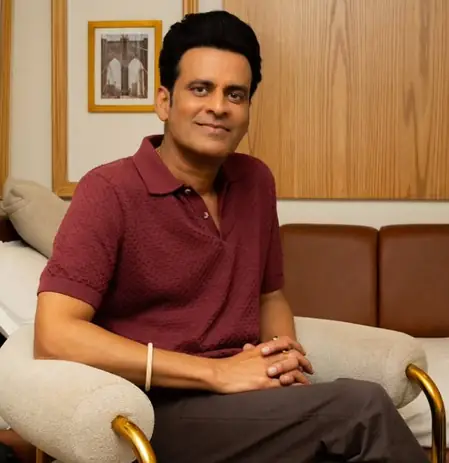
Lead actor Manoj Bajpayee, known for his nuanced performances, finally addressed the storm on X (formerly Twitter). Sharing director Neeraj Pandey’s official statement, he expressed deep respect for public sentiments. ‘I honor the emotions and concerns shared by people and take them seriously,’ Bajpayee wrote. ‘When something you’re part of hurts others, it forces you to pause, reflect, and listen.’
As an actor, Bajpayee emphasized his connection to the character—a flawed individual on a path to self-realization—rather than any community statement. He highlighted his long collaboration with Pandey, praising the director’s sensitivity. In response to the uproar, the makers have pulled all promotional materials.
The controversy ignited at Netflix’s ‘Next on Netflix’ event with the first look and teaser. Critics swiftly pointed out the title’s potential to stereotype. Legal notices followed from Mumbai lawyers, court cases piled up, and street protests demanded accountability.
Neeraj Pandey clarified that the series is a fictional police drama, with ‘Pandit’ merely a colloquial name for the protagonist. Acknowledging the hurt caused, the team opted to halt promotions indefinitely. This development raises questions about creative freedom versus cultural sensitivity in India’s diverse society. Bajpayee’s measured response might calm waters, but the debate on titles and representation continues.