
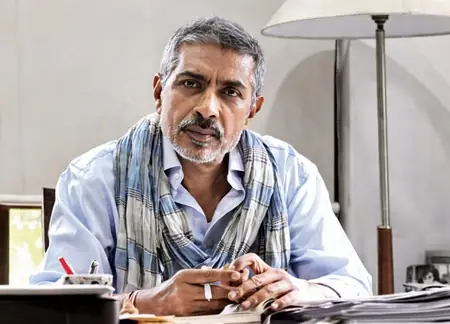
Mumbai’s film scene has seen many transformations, but few stories are as inspiring as Prakash Jha’s journey from aspiring painter to Bollywood powerhouse. It all began with a gritty documentary titled ‘Face After the Storm,’ which not only captured national attention but also redefined his professional path.
Released in the early 1980s, this powerful film delved into the harrowing communal riots that tore through Nalanda district in Bihar. Jha didn’t just document the violence; he dissected the human psyche behind it. Through intimate interviews with locals, he explored how ordinary people descend into chaos, influenced by deep-seated social tensions and psychological triggers. The film painted a stark picture of violence’s ripple effects across every layer of society, from families to communities.
Crafting this documentary was no easy feat for the young filmmaker. Fresh in the industry, Jha faced resource shortages and logistical nightmares in riot-ravaged areas. Yet, his passion for social commentary drove him forward, turning personal ambition into a cinematic milestone.
The turning point came swiftly. ‘Face After the Storm’ clinched the National Film Award, thrusting Jha into the spotlight. Critics praised its raw authenticity, while audiences grappled with its unflinching truths. This accolade opened doors, marking his evolution from novice to a voice of consequence in Indian cinema.
Building on this momentum, Jha directed his debut feature ‘Hip Hip Hurray’ in 1984. What followed was a prolific career: hard-hitting dramas like ‘Parinati,’ ‘Mrityudand,’ and ‘Gangajal’ tackled corruption, justice, and power dynamics. Hits such as ‘Apharan,’ ‘Raajneeti,’ ‘Aarakshan,’ and ‘Chakravyuh’ solidified his reputation for politically charged narratives. Later works including ‘Satyagraha,’ ‘Jai Gangaajal,’ ‘Lipstick Under My Burkha,’ and others continued to challenge societal norms.
Today, at 72, Prakash Jha remains a driving force in Bollywood, with upcoming projects promising more bold storytelling. His debut documentary wasn’t just a film; it was the storm that cleared the path to stardom.