
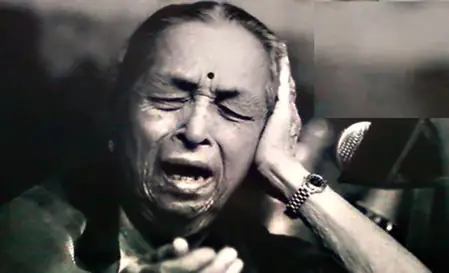
In an era when women stepping out of their homes was a bold act, Gangubai Hangal shattered every barrier with her powerful voice and unyielding spirit. Born into a humble boatman’s family in Karnataka’s Hingulambika in 1913, she faced poverty, caste prejudice, and relentless societal taunts. Yet, on March 5, her birth anniversary, we celebrate the legend who turned derision into destiny.
Gangubai’s mother, Ambabai, a skilled Carnatic vocalist, ignited her passion for music. At just 13, she sought formal training under Kirana gharana maestro Sawai Gandharva, defying norms that barred women from public stages. Labeled ‘ganewali’ – a derogatory term for female singers – she endured mockery but channeled it into fuel for her ascent.
Her voice, deep and resonant, breathed life into ragas with profound emotion and slow, deliberate expansions. Starting with local Mumbai programs in the 1930s and Ganesh festivals, she graduated to All India Radio and national platforms. Initially performing bhajans and thumris, she soon mastered pure khayal, elevating the Kirana tradition to new heights.
Awards poured in: Karnataka Sangeet Nritya Academy in 1962, Padma Bhushan in 1971, Padma Vibhushan in 2002, Sangeet Natak Akademi Award in 1973, and its Fellowship in 1996. Honors like Dinanath Pratisthan in 1997 and Manik Ratan in 1998 crowned her legacy.
Karnataka established the Karnataka State Dr. Gangubai Hangal Music and Performing Arts University in 2008 in her honor, and India issued a postage stamp in 2014. Despite personal tragedies – marriage at 16, husband’s death at 20, and daughter Krishna’s battle with cancer – she performed until 2006, marking 75 years on stage. She passed away on July 21, 2009, at 97 from heart ailments.
Gangubai Hangal’s life is a testament to resilience, proving that true artistry transcends societal chains, inspiring generations to pursue dreams fearlessly.