
New Delhi, February 13 – On National Women’s Day, celebrated annually to honor Sarojini Naidu’s birth anniversary, we revisit iconic Hindi films drawn from literary masterpieces. These cinematic gems powerfully depict women’s resilience amid societal pressures, love, sacrifice, and quests for dignity.
Sarojini Naidu, the Nightingale of India, was not just a poet but a fierce freedom fighter and the nation’s first female governor. Her legacy inspires these stories that bring literary heroines to life on screen, reminding us of enduring female fortitude.
Take ‘Parineeta’ (2005), adapted from Sarat Chandra Chattopadhyay’s novel. Vidya Balan shines as Lalita, navigating a tale of forbidden love tangled in class divides, dowry demands, and social norms. Her character’s quiet defiance against injustice captivates audiences, highlighting a woman’s fight for emotional truth and honor.
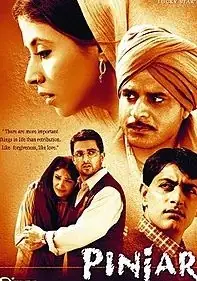
‘Pinjar’ (2003), based on Amrita Pritam’s novel, plunges into the horrors of Partition. Urmila Matondkar’s portrayal of Puro, a woman abducted and ostracized, masterfully conveys the trauma of displacement and the unyielding human spirit. The film exposes the brutal realities faced by women during communal upheaval, blending heartbreak with heroism.
Though not a direct adaptation, ‘Lajja’ (2001) draws inspiration from Taslima Nasrin’s novel of the same name. Directed by Rajkumar Santoshi, it weaves multiple narratives of female oppression – from domestic abuse to communal violence. Madhuri Dixit and others embody the collective rage and resilience of women battling patriarchal tyranny.
Mani Kaul’s ‘Uski Roti’ (1969), from Mohan Rakesh’s story, offers a stark, minimalist look at a woman’s silent endurance. Through everyday drudgery and unspoken pain, it reveals profound depths of inner strength, making it a poignant study of marital isolation.
‘Chitralekha’ (1964), from Bhagwati Charan Verma’s novel, stars Meena Kumari as a dancer questioning sin and virtue. Her bold exploration of morality and desire challenges societal hypocrisy, delivering philosophical heft alongside emotional intensity.
Finally, ‘Sahib Bibi Aur Ghulam’ (1962), Gurudutt’s masterpiece from Bimal Mitra’s novel, features Meena Kumari as the tragic Chhoti Bahu. Trapped in a decaying zamindari world, she grapples with neglect, addiction, and lost identity, symbolizing the erosion of tradition and personal agency.
These films, rooted in Hindi literature, continue to inspire, proving cinema’s power to immortalize women’s unbowed spirits.