
Mumbai’s glitzy film industry has a knack for rewriting destinies. Danny Denzongpa, born Shering Phintsok in Gangtok, Sikkim, on February 25, 1948, arrived in the city with just Rs 1,500 in his pocket, dreaming of becoming a ghazal singer. Little did he know, Bollywood had other plans, transforming him into one of its most menacing villains.
From a musically inclined childhood, Danny pursued formal training at the Film and Television Institute of India (FTII). Armed with his diploma, he stepped into Mumbai’s cutthroat world. Early struggles defined his path—endless auditions, studio runs, and even a humiliating guard job offer at director Mohan Kumar’s bungalow. That rejection fueled his fire. He vowed to own a mansion next door, a promise fate fulfilled spectacularly.
Danny’s silver screen debut came in 1971’s ‘Mere Apne,’ where he played a positive role. But 1973’s ‘Dhoondh’ unleashed his villainous prowess, etching fear into audiences’ hearts. Iconic characters like Kancha Cheena, Bakhtawar, and Khuda Baksh followed, cementing his legacy as Bollywood’s ultimate antagonist.
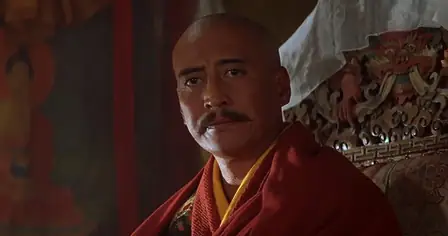
A intriguing twist: He was offered the legendary Gabbar Singh in ‘Sholay’ (1975) but turned it down due to date conflicts, handing the role to Amjad Khan. Danny’s versatility shone beyond Hindi cinema—in Nepali, Tamil, Telugu films, and Hollywood’s ‘Seven Years in Tibet’ (1998) opposite Brad Pitt, earning global acclaim.
Honored with the Padma Shri in 2003, Danny married Sikkim royalty Gawa Denzongpa in 1990. Today, at 76, his story inspires: from humble beginnings to cinematic terror, proving dreams can pivot into legends.