
Mumbai, March 8: As the world celebrates International Women’s Day, the silver screen finds a powerful tribute in Sanjay Leela Bhansali’s masterpieces. Bhansali has long been a champion of female narratives, crafting roles that transcend stereotypes and breathe life into complex women.
From the outset of his career, Bhansali ensured women weren’t mere props but the pulsing heart of his stories. His films shimmer with meticulous attention to costumes, dialogues, and sets, elevating every female character to iconic status. This vision stems from his personal life—raised single-handedly by his mother, he witnessed her struggles on small stages, fueling his resolve to portray women in opulent, empowered realms.
Take ‘Khamochi: The Musical,’ where Manisha Koirala’s Annie sacrifices dreams for her disabled parents, embodying selfless strength even after being cast out. In ‘Hum Dil De Chuke Sanam,’ Aishwarya Rai’s Nandini bursts with multidimensional charm—playful yet fierce, fighting for love post-marriage.
‘Black’ offers a profound glimpse through Rani Mukerji’s deaf-blind Michelle, a role demanding raw vulnerability. ‘Bajirao Mastani’ dual-shines with Deepika Padukone’s warrior queen Mastani and Priyanka Chopra’s resilient Kashibai, both wielding swords for honor.
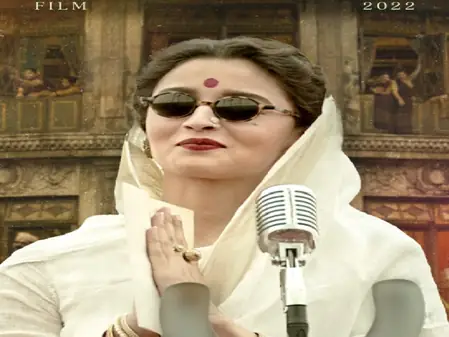
Padmaavat crowns Deepika as the graceful Padmavati, strategically defying invaders before her ultimate act of jauhar. Alia Bhatt’s Gangubai in ‘Gangubai Kathiawadi’ roars as a symbol of power and destruction, blooming amid brothels. Even ‘Heeramandi’ showcases courtesans as bold strategists in power games.
Bhansali’s legacy on Women’s Day reminds us: true cinema honors women by letting them lead with unapologetic grace and grit.