
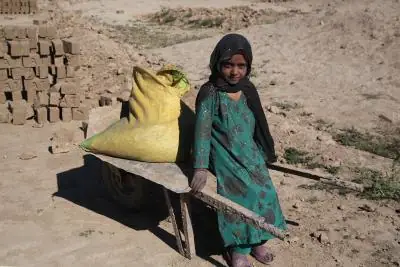
Pakistan’s economy is reeling from a sharp rise in poverty and inequality over the past six years, according to a damning new report from the nation’s Planning Commission. The findings, drawn from Household Integrated Economic Surveys (HIES) conducted in 2018-19 and 2024-25 by the Pakistan Bureau of Statistics, paint a grim picture of household income distribution and living standards.
National poverty levels have climbed from 21.9% to a staggering 28.9%, marking a 32% increase. Rural areas bore the brunt, with rates jumping from 28.2% to 36.3%, while urban poverty rose from 11% to 17.4%. This surge stems from soaring unemployment, widening income gaps, and a 27.5% drop in real household incomes since 2020-21.
Unemployment itself escalated from 5.7% in 2020-21 to 7.1% in 2024-25, eroding purchasing power and quality of life. Economic shocks like the 2019-20 COVID-19 pandemic and the devastating 2022-23 floods compounded the crisis, delivering body blows to an already fragile economy.
Policy missteps amplified the damage: IMF-mandated subsidy cuts, higher indirect taxes, and slashed development spending shifted the burden onto ordinary citizens. Unstable economic policies and irresponsible decisions have only deepened the malaise.
Presenting the report, the Planning Minister called for an export-led growth model, focused development in underdeveloped districts, better federal-provincial fiscal balance, and a robust social safety net. Recommendations include cash transfers, targeted poverty alleviation, and SME incentives to foster inclusive growth.
Experts view this not just as data but as a stark warning of declining living standards. If the government acts on these suggestions, Pakistan could steer toward stability and equity, but inaction risks further deterioration.