
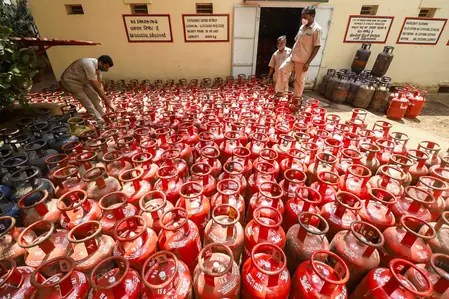
New Delhi witnessed a significant jump in LPG prices on Saturday as oil marketing companies announced hikes across both household and commercial cylinders. The price of a 14.2 kg non-subsidized domestic LPG cylinder in the national capital surged to Rs 913 from Rs 853, marking an increase of Rs 60. This is the second such revision in less than a year, putting additional pressure on millions of households already grappling with rising living costs.
Commercial 19 kg cylinders also faced a steep escalation, with prices climbing by Rs 114.5 per unit. This adjustment reflects the volatile global energy landscape, where recent spikes in crude oil prices have been fueled by escalating military tensions in the Middle East. Experts point to disrupted supply chains and heightened geopolitical risks as key drivers behind the surge, warning that consumers could see further volatility ahead.
The timing of this hike coincides with broader market instability. Over the past weeks, international benchmarks for oil have climbed steadily, amplifying concerns over energy security. In India, where LPG is a staple for cooking in over 300 million homes, the increase is likely to ripple through household budgets, especially in urban and semi-urban areas.
Amid these developments, public sector oil giants Indian Oil Corporation (IOC) and Bharat Petroleum Corporation Limited (BPCL) moved swiftly to quell rumors of fuel shortages circulating on social media. BPCL emphasized India’s robust petroleum reserves and seamless supply chains, dismissing shortage claims as baseless. ‘Our energy supply remains reliable and strong,’ the company stated on X, urging the public not to panic.
IOC echoed similar sentiments, confirming ample stocks of petrol and diesel nationwide. ‘Supply and distribution are operating normally,’ it posted, calling on citizens to rely on official sources and avoid crowding fuel stations. This proactive communication helped stabilize public sentiment, ensuring no disruptions at pumps despite the LPG news.
As families recalibrate expenses and businesses assess operational costs, the government faces mounting scrutiny over energy pricing strategies. With global tensions showing no signs of abating, stakeholders are bracing for potential knock-on effects on inflation and economic growth.