
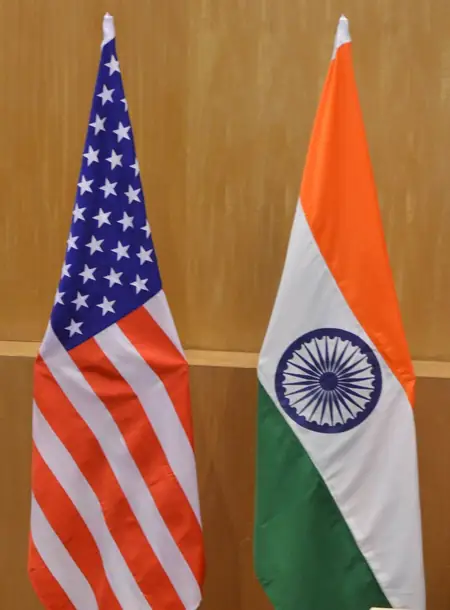
New Delhi is poised for a significant boost in its trade relations with the United States, as a forthcoming trade deal could dramatically reduce effective tariff rates on Indian exports to around 12-13 percent. This optimistic projection comes from a detailed analysis by Bank of America Global Research, assuming reciprocal tariffs remain at 18 percent.
The report highlights that electronics, which constitute 40-45 percent of India’s exports to the US, already enjoy zero tariffs. Factoring in additional levies under Section 232, the effective rate is expected to hover just above 12 percent. This development could supercharge India’s export economy, particularly in high-labor sectors.
However, uncertainties linger around Section 232 tariffs on key items like automobiles, auto components, iron, steel, and aluminum, where rates could stay as high as 25 percent. The first phase of the deal offers no clarity on these, leaving exporters in these industries on edge.
Labor-intensive industries stand to gain the most. Textiles and gems & jewelry sectors are projected to see substantial benefits, potentially reshaping India’s export portfolio. Meanwhile, India’s commitment to purchase $500 billion worth of US goods over five years translates to about $100 billion annually—a feasible target given current import levels.
India’s total import bill stands at roughly $750 billion, with US goods making up just 6 percent. Ramping up energy imports from the US, possibly replacing supplies from Russia, would have minimal impact on the current account deficit. Enhanced services exports could even push India into a surplus by December 2025, according to the report.
This trade pact signals a new era of economic collaboration, balancing opportunities with strategic import shifts to fortify bilateral ties.