
In a landmark achievement for digital India, over 2.14 lakh gram panchayats across the nation now have high-speed broadband connectivity under the BharatNet project. This massive rollout, announced by Union Minister of State for Communications and Rural Development Dr. Chandrashekar Pemmasani, marks a pivotal step in bridging the digital divide, especially in rural, border, and aspirational districts.
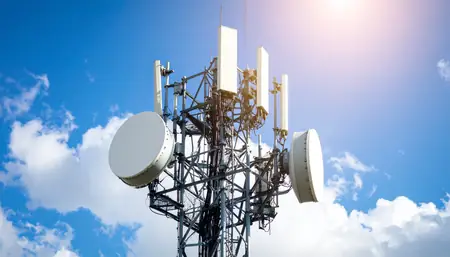
Speaking in the Rajya Sabha, the minister highlighted how the government has fast-tracked initiatives to ensure last-mile connectivity. By December 2025, all targeted 2,14,904 gram panchayats will be fully equipped with broadband services. Complementing this, 23,694 mobile towers have been activated under the 4G saturation project and other mobile initiatives, bringing reliable internet to even the most remote corners.
The impact is profound. Enhanced digital access is transforming lives in underserved areas by improving education through online learning platforms, revolutionizing healthcare with telemedicine, and streamlining government services via digital portals. Citizens in far-flung villages can now interact seamlessly with essential services, fundamentally altering their quality of life.
Quality remains a top priority. The Telecom Regulatory Authority of India (TRAI) enforces stringent Quality of Service (QoS) standards, monitoring telecom providers rigorously. To make services affordable nationwide, the government has introduced the Telecommunications Act 2023 for regulatory ease, established the Digital Bharat Nidhi for subsidizing infrastructure in unviable areas, and pursued proactive policies to expand coverage.
This digital revolution isn’t just about connectivity—it’s about empowerment. As India races towards a fully connected future, rural India stands to gain the most, closing geographical gaps and fostering inclusive growth.