
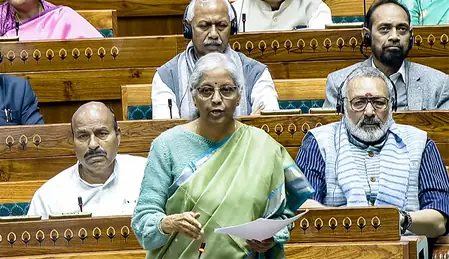
New Delhi, February 11. Finance Minister Nirmala Sitharaman announced on Wednesday that the government is ramping up investments in waterways alongside roads and highways to slash logistics costs, particularly for states not directly linked to major seaports. Responding to the general discussion on the Union Budget 2026-27 in the Lok Sabha, Sitharaman emphasized a multi-modal infrastructure push to ensure equitable access to affordable transportation across India.
“We’re focusing on waterways to bring down logistics expenses for states disconnected from seaports,” she stated. This strategic shift aims to enable seamless and cost-effective movement of goods, fostering economic growth in inland regions. By leveraging India’s vast network of rivers and canals, the initiative promises to decongest roads and reduce overall freight charges, which currently hover at around 14% of GDP—higher than many developed economies.
Sitharaman highlighted the government’s commitment to labor-intensive sectors, with special attention to MSMEs. The budget introduces targeted support for leading MSMEs, injecting vitality into the economy through enhanced credit facilities and technology upgrades. This move is expected to propel innovation and job creation at the grassroots level.
In a bid to bolster rural economies, the minister outlined plans to strengthen animal husbandry and fisheries. Every district will soon boast veterinary surgeons, hospitals, and testing labs, ensuring comprehensive animal health services. This infrastructure drive aligns with the vision of Atmanirbhar Bharat, promoting self-reliance in agriculture and allied sectors.
On the fiscal front, states’ share in tax collections will rise to Rs 25.44 lakh crore this year—a Rs 2.7 lakh crore increase over last year—demonstrating the Centre’s federal cooperative spirit. Sitharaman also unveiled ambitious job creation plans, including five regional medical hubs to boost medical tourism, generating one lakh jobs over five years. Additionally, five mega textile-to-leather parks will create thousands of employment opportunities.
Addressing elderly care, the government is building a robust ecosystem, training 1.5 lakh caregivers this year alone. These initiatives paint a picture of inclusive growth, balancing urban and rural development while prioritizing sustainability and efficiency.