
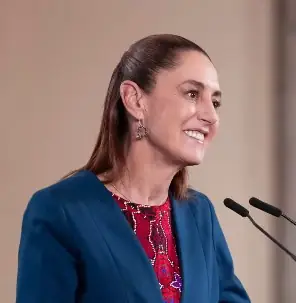
Mexico City is gearing up for the 2026 FIFA World Cup with unprecedented security measures. President Claudia Sheinbaum announced the deployment of nearly 100,000 personnel to safeguard public safety during the tournament. Speaking at a press conference in Guadalajara, the capital of Jalisco state, Sheinbaum emphasized the nation’s readiness.
‘We are prepared for the World Cup,’ she declared, underscoring unity with the people of Jalisco. ‘We stand together to ensure peace, security, and well-being for this beautiful state’s residents.’ This bold move comes amid rising violence following the death of cartel leader Nemesio Oseguera Cervantes, known as El Mencho, in a military operation last month.
After El Mencho’s demise on February 22, the Jalisco New Generation Cartel unleashed chaos, clashing with Mexican forces, blocking roads, and setting vehicles ablaze. In Guadalajara alone, over 12,000 people remain missing, heightening concerns. The security plan integrates 20,000 soldiers, 55,000 police officers, and members from private security firms.
Support includes 2,500 military and civilian vehicles, 24 aircraft, anti-drone systems, and detection dogs. General Roman Villalobos, appointed to oversee operations, highlighted two key challenges: projecting a reliable, secure Mexico to the world and countering threats to national security.
Training for forces kicked off in January, with intensified drills planned soon. Mexico will co-host the event from June 11 to July 19 alongside the US and Canada, hosting 13 matches—five in Mexico City, four in Guadalajara, and four in Monterrey. FIFA President Gianni Infantino expressed full confidence in Mexico’s hosting capabilities last week.
As the world turns its eyes to this tri-nation spectacle, Mexico’s massive security apparatus signals a commitment to uninterrupted festivities, despite internal strife.