
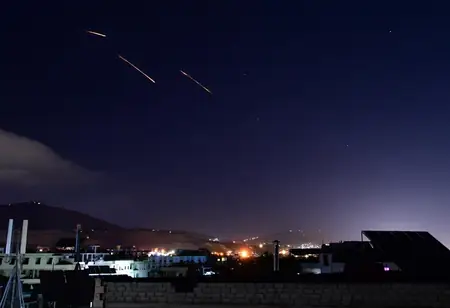
Tel Aviv/Tehran – The escalating tensions between the United States, Israel, and Iran have pushed the ongoing conflict into its eighth day, marked by a fresh wave of Israeli airstrikes and reports of explosions at a major commercial airport in Tehran. What began as a targeted strike in Tehran on February 28 has spiraled into a broader regional confrontation, now encompassing drone attacks across the Gulf area.
Former President Donald Trump has taken a hardline stance, declaring no negotiations with Iran until it offers unconditional surrender. He further suggested that post-surrender, Iran should transition to new leadership acceptable to the U.S. administration, signaling a potential regime change agenda amid the chaos.
Kuwait’s military reported successfully intercepting multiple threats, including 12 Iranian drones and 14 ballistic or cruise missiles since Saturday morning. Explosions from these interceptions echoed across the country, causing only minor property damage from falling debris, according to officials.
Israel Defense Forces (IDF) initially lifted shelter orders for northern residents after determining no direct threat from recent Iranian missile launches, with no warning sirens activated. However, alerts were swiftly reissued for Tel Aviv, central Israel, and parts of the West Bank following detection of another Iranian missile salvo, heightening fears of further escalation in this volatile theater.
As the conflict intensifies, regional stability hangs by a thread, with world leaders watching closely for signs of de-escalation or all-out war. The involvement of advanced weaponry underscores the high stakes, while diplomatic channels remain ominously silent.