
In today’s fast-paced world, insomnia has become a silent epidemic affecting millions. Tossing and turning all night, only to wake up exhausted and foggy-headed, is a common plight. The consequences spill over into daily life—constant fatigue, poor focus at work, and a lingering sense of unease. But there’s hope in the ancient practice of yoga, which offers a natural pathway to deep, restorative sleep.
Stress, irregular eating habits, excessive caffeine, and sedentary lifestyles are prime culprits behind sleepless nights. Yoga counters these by calming the mind, relaxing the body, and regulating the nervous system. Incorporating a few targeted asanas into your evening routine can transform your sleep quality dramatically.
Start with Hast Uttanasana, the raised arms pose. Stand tall with feet slightly apart. Inhale deeply, lifting your arms overhead and gently arching your back. Hold for a few breaths, feeling the stretch from your fingertips to your toes. Exhale slowly as you return to standing. This pose releases upper body tension accumulated from the day.
Follow with Padahastasana, or forward bend. From a standing position, inhale to raise your arms, then exhale forward from the hips, aiming to touch the floor with your hands. Let your head hang heavy, surrendering to gravity. Breathe steadily here to soothe the spine and calm racing thoughts.
Transition to Bhadrasana, the butterfly pose, seated on the floor. Bring the soles of your feet together, knees falling outward like wings. Hold your feet and sit tall. Rock gently or stay still, breathing deeply to open the hips and ease emotional blockages that disrupt sleep.
Next, Yogamudrasana in lotus or half-lotus. Sit with spine straight, hands behind back grasping wrists. Fold forward, forehead toward knees. This forward fold quiets the mind, preparing it for slumber.
Bhujangasana, the cobra pose, invigorates yet relaxes. Lie prone, palms under shoulders. Inhale to lift chest and head, gazing upward. Hold briefly, then lower. It strengthens the back while melting away stress.
Practice Nadi Shodhana, alternate nostril breathing. Sit comfortably, close right nostril with thumb, inhale left. Close left with ring finger, exhale right. Alternate for 5-10 minutes to balance energies and induce tranquility.
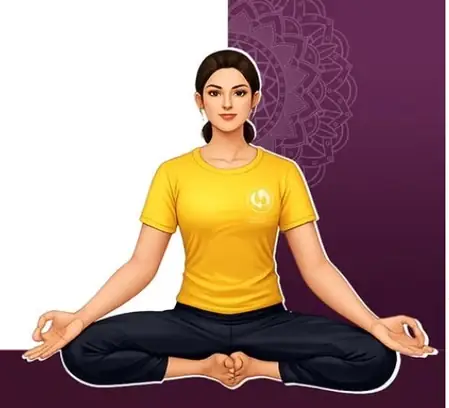
Conclude with meditation. Sit in a steady posture, palms stacked, eyes closed. Focus solely on your breath—long inhales, slow exhales. Even 10 minutes can reset your nervous system for profound sleep.
Make these practices a nightly ritual, ideally before bed. Consistency is key; within weeks, you’ll notice falling asleep faster and waking refreshed. Consult a doctor for underlying issues, but let yoga be your gentle ally against insomnia.