
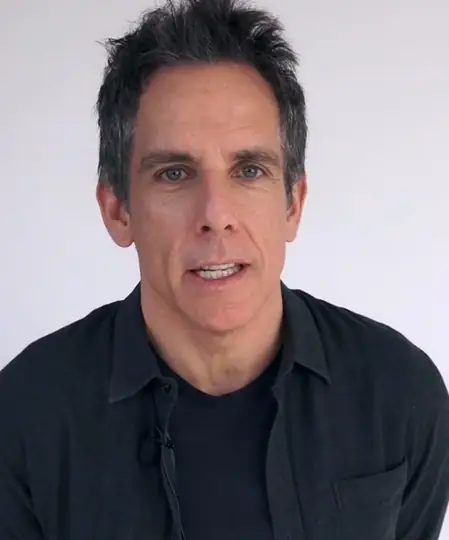
Hollywood star Ben Stiller has publicly called out the White House for using a clip from his 2008 comedy film Tropic Thunder in an official social media video. The actor, known for his sharp wit and satirical roles, took to X to demand the clip’s immediate removal, accusing the administration of turning entertainment into propaganda.
The controversy erupted when the White House posted a montage video featuring clips from popular movies and TV shows like Top Gun, Superman, Transformers, Breaking Bad, Iron Man, and Tropic Thunder. These were intercut with footage of American military operations. The caption read, ‘Justice the American way.’ Stiller, aged 60, responded swiftly: ‘Hey @WhiteHouse, please take down the Tropic Thunder clip. We didn’t license it to you and have zero interest in being part of your propaganda machine. War is not a movie.’
This isn’t the first time artists have pushed back against unauthorized use of their work by the White House. Singers like Celine Dion, Bruce Springsteen, Linkin Park, Neil Young, Olivia, and Radiohead have previously objected. Just this week, Kesha voiced her outrage after her song ‘Blow’ was featured in a video showing a fighter jet launching a missile from a naval ship, complete with explosions.
On March 2, Kesha shared on her Instagram Story: ‘I just learned the White House used my song on TikTok to incite violence and threaten war. Taking war lightly is disgusting and inhumane.’ She made it clear she does not approve of her music promoting any form of violence.
White House Communications Director Steven clapped back on X by reposting Kesha’s statement, writing, ‘These ‘singers’ keep falling for this trap. It gets us more attention and views because people want to see what they’re complaining about. Thanks for the spotlight.’
The incident echoes past controversies, such as the Trump administration’s December video showcasing U.S. Immigration and Customs Enforcement arrests, which drew widespread criticism. Stiller’s bold stand highlights ongoing tensions between Hollywood creatives and political entities over content usage, raising questions about permissions, satire, and the glorification of conflict in media.