
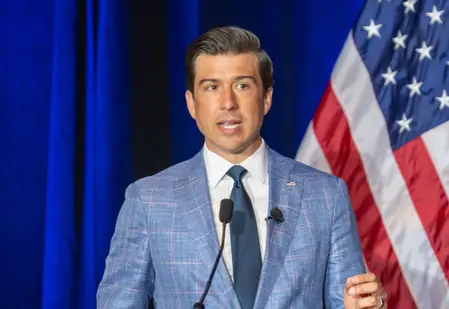
Washington is sharpening its agricultural trade strategy with a sharp focus on powerhouse markets like India and China. Luke Lindberg, the USDA’s Deputy Under Secretary for Trade and Foreign Agricultural Affairs, briefed lawmakers on March 5 about how this pivot could unlock massive export opportunities for American farmers.
The hearing before a House subcommittee on agriculture budgets turned heated as tensions flared over tariffs, food aid policies, and the persistent farm trade deficit. Lawmakers pressed Lindberg on America’s heavy reliance on imports, particularly in seafood where the US sources nearly 75% from abroad. He acknowledged the vulnerability but outlined a path forward: ramp up domestic production, boost consumption of homegrown foods, and aggressively expand exports.
Under the ‘America First’ banner, the administration is pushing for fairer global trade. Lindberg’s strategy rests on three pillars—securing superior trade deals, fostering buyer-seller relationships, and holding partners accountable. Recent wins in Asia, including expanded access in Japan, Vietnam, South Korea, and Taiwan, signal progress. China remains a cornerstone, snapping up 12 million metric tons of US soybeans this marketing year.
Potential in India looms large, especially for tree nuts and specialty crops battered by tariffs as high as 100% on pecans. Negotiations are underway for breakthroughs. Meanwhile, Central America and Europe offer fresh avenues: Guatemala committed to 50 million gallons of US ethanol annually, and beef markets are opening wider.
Democrats lambasted Trump-era tariffs for hiking costs and inviting retaliation that hurts producers. Ranking member Sanford D. Bishop Jr. warned of mounting pressures on farmers. Concerns also swirled around shifting the Food for Peace program to USDA, though Lindberg highlighted a $452 million investment for 211,000 metric tons of aid via the World Food Programme.
Lindberg projected the trade deficit could shrink to $29 billion this year. By producing more at home and exporting surplus, he argued, American farmers stand to gain the most. This multifaceted approach aims to restore balance and competitiveness on the world stage.