
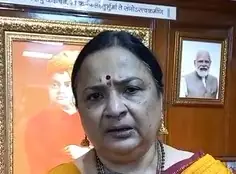
New Delhi is buzzing with controversy as the Jawaharlal Nehru University Teachers’ Association (JNUTA) has fired off a strongly worded letter to Union Education Minister Dharmendra Pradhan. The core demand? Immediate removal of Vice-Chancellor Professor Santishree Dhulipudi Pandit from her post.
The trigger for this bold move lies in the VC’s recent podcast appearance, where she made shocking statements on caste and social realities. These comments, broadcast by a prominent media outlet, have gone viral, sparking outrage across academic circles. JNUTA’s letter meticulously outlines how these remarks not only undermine the university’s ethos but also reveal the VC’s overt political allegiance to the central government—a loyalty she credits for her own appointment.
What makes this scandal even more explosive is the irony. While the VC publicly aligns herself with government policies, her podcast rants include sharp criticisms of the Ministry of Education’s handling of the UGC Equality Regulations 2026. The teachers’ body questions the ministry’s deafening silence, especially when contrasted with the aggressive crackdown on JNU students who dared to march to the ministry last year. Delhi Police, under central directives, halted the protest, arrested participants, and threw them behind bars.
This stark double standard paints a troubling picture of the government’s commitment—or lack thereof—to constitutional ideals of social justice. JNUTA argues that by not acting against the VC’s alleged casteist views, the government is signaling tacit approval of discrimination in higher education. ‘If the ministry disagrees, it must sack her to dispel these notions,’ the letter asserts.
As the academic community watches closely, this showdown could reshape debates on university autonomy, political interference, and inclusivity in India’s premier institutions. Will Minister Pradhan respond, or will silence speak louder?