
Washington is standing firm amid escalating tensions in the Middle East. On Wednesday, the United States dismissed peace appeals from China and Russia regarding the ongoing conflict with Iran. Pentagon officials emphasized that the military operation is strictly aimed at curbing Tehran’s nuclear ambitions and military buildup.
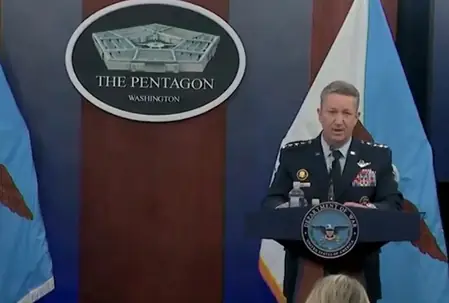
In a terse Pentagon press briefing, Secretary of Defense Pete Hegseth made it clear: America is not engaging Beijing or Moscow on this issue. ‘We have no message for them. They are not central to this conflict. Our problem is with Iran’s nuclear aspirations, not them,’ Hegseth stated bluntly.
This comes as U.S. forces enter the fourth day of Operation Epic Fury, a targeted campaign striking Iranian missile systems, naval assets, and military infrastructure. Intelligence reports prompted the operation, revealing Iran’s lack of good faith in nuclear negotiations.
‘After 12 days of evidence from this war, it’s clear Iran never intended a real nuclear deal that would give them atomic bombs,’ Hegseth added. He highlighted Iran’s vast missile arsenal, with thousands aimed at U.S. interests.
Joint Chiefs Chairman Air Force General Dan Cane reported over 2,000 targets hit so far. Iranian ballistic missile launches have dropped 86% compared to day one. The goal: neutralize Iran’s ability to project power beyond its borders, protecting U.S. troops, allies, and key sea lanes.
Regional partners like Saudi Arabia, UAE, Qatar, Bahrain, and Jordan are aiding defenses against Iranian missiles and drones. Despite early successes, officials caution the war is in its infancy—just 100 hours in.
Tensions between Washington and Tehran have surged recently, fueled by U.S. accusations of Iran’s nuclear weapon pursuits and support for attacks on American forces and allies. As Operation Epic Fury intensifies, the world watches whether this will force Iran to the negotiating table or deepen the rift.