
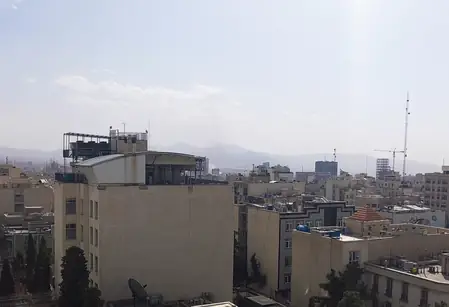
Tehran erupted into a new phase of retaliation on Wednesday as Iran’s Islamic Revolutionary Guard Corps (IRGC) announced the launch of its 17th wave of attacks against American and Israeli targets. According to local reports citing IRGC sources, ground forces executed three major operations in response to recent Israeli-US strikes on Iranian soil. In a bold escalation, 40 missiles were unleashed directly at Israeli positions.
Declaring another phase of Operation True Promise 4, an IRGC spokesperson detailed how ground units immediately countered joint aggressions by deploying over 230 drones at US bases in occupied territories. ‘Dozens of drones targeted American military installations in Erbil and Kuwait,’ the statement read, underscoring the precision of the strikes.
The IRGC boldly claimed that this fresh barrage significantly crippled a major US air base in Bahrain, with command centers reduced to rubble amid the onslaught. Invoking Article 51 of the UN Charter, Iranian officials asserted their inherent right to self-defense against what they termed aggressive acts by the US and Israeli regimes.
In a parallel development shaking the nation’s core, Mojtaba Khamenei, son of the late Supreme Leader Ayatollah Ali Khamenei, was swiftly appointed as Iran’s new top authority by the Assembly of Experts. This came mere days after fatal US-Israel airstrikes on Tehran claimed the lives of Khamenei and several top commanders. Sources indicate the decision was expedited through virtual sessions amid ongoing warfare, influenced heavily by IRGC pressures.
The appointment carries immense political weight, especially following the elder Khamenei’s demise in the attacks that have ignited tensions across the Middle East. Starting midnight Wednesday (Indian Standard Time), Tehran will observe three days of mourning at the Grand Musalla, where crowds will gather to pay homage to the fallen leader. As regional conflicts intensify, Iran’s leadership transition signals a resolve to press forward undeterred.