
Washington is sounding the alarm as China ramps up efforts to undermine America’s long-standing dominance in undersea warfare. In a pivotal hearing titled ‘Your World Beneath the Waves: US-China Competition Undersea,’ two top US Navy officials laid bare Beijing’s aggressive submarine modernization drive before the US-China Economic and Security Review Commission.
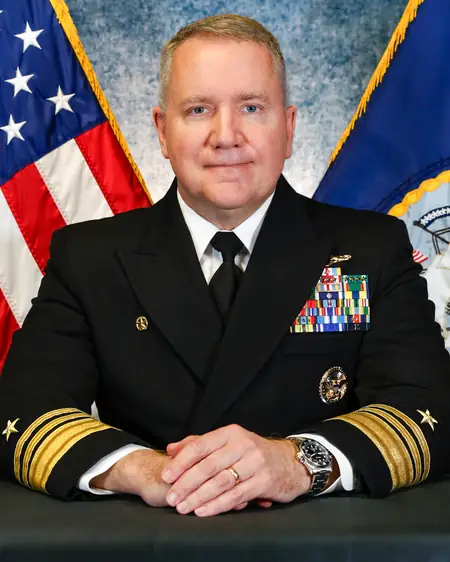
Vice Admiral Richard Seaf, commander of US Navy submarine forces, delivered a stark assessment. ‘Our undersea advantage remains strong but is under pressure,’ he told lawmakers. This edge, he emphasized, has been a cornerstone of deterrence and combat power in the Indo-Pacific. Lose it, and the consequences could be dire.
Seaf detailed China’s multifaceted strategy: rapid submarine upgrades, bolstered anti-submarine warfare capabilities, and an expansive seabed sensor network often dubbed the ‘underwater Great Wall.’ Beijing’s goal? Cripple US freedom of action near vital chokepoints and within the First Island Chain.
He outlined four key US strengths in the submarine domain: stealth and survivability, power projection, sea denial and control, and strategic deterrence. Submarines, Seaf noted, remain the most survivable military platforms, providing credible response options in crises thanks to their covert operations.
Even incremental Chinese advances in quieting tech, sensors, and weapons could tip the balance in contested waters, Seaf cautioned. To counter this, he urged prioritizing submarine readiness, bolstering the industrial base, accelerating maintenance, investing in unmanned systems, and enhancing interoperability with allies. ‘The best submarine is one that’s ready, manned, and can surge when needed,’ he asserted.
Rear Admiral Mike Brooks, commander of the Navy’s intelligence office, echoed these concerns. China now operates one of the world’s largest submarine fleets—over 60 boats, including nuclear-powered attack subs, ballistic missile subs, and advanced diesel-electric platforms. Beijing is shifting to a nuclear-powered fleet and expanding production for the 2030s.
Brooks highlighted China’s ‘systematic confrontation’ approach, integrating subs, aircraft, seabed sensors, and unmanned platforms into a formidable anti-submarine network. This aims to detect and track US subs in strategic waters, raising the cost of intervention during crises.
Investments in unmanned underwater vehicles, seabed sensor arrays, and deep-sea mining tech underscore China’s integrated strategy linking naval modernization, seabed infrastructure, and resource extraction. In conflict, subsea cables and systems could become prime targets.
By 2040, the PLA Navy’s submarine forces could reliably challenge US regional maritime dominance, complicating crisis response and ally defense in the Indo-Pacific, Brooks warned.
The officials stressed this isn’t about making oceans fully transparent but eroding US covert capabilities in key areas. Stakes extend beyond military balance: most global data flows and financial transactions traverse undersea cables, making their protection vital for economic stability.
For India and other Indo-Pacific nations, the testimony spotlights China’s expanding submarine presence in the Indian Ocean. The clear message? The US holds a decisive undersea lead—for now—but sustaining it demands relentless investment, innovation, and ally coordination as rivalry deepens below the surface.