
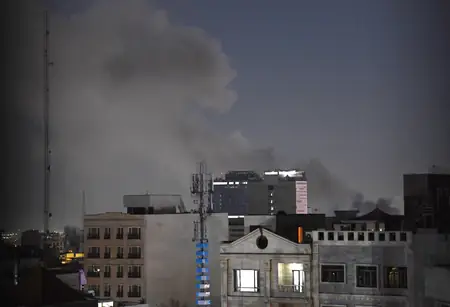
Mumbai, March 2. Amid escalating tensions in Iran following relentless US and Israeli strikes and the reported demise of Supreme Leader Ayatollah Ali Khamenei, the situation has turned dire. Hundreds of Indian students stranded in the conflict zone face mounting uncertainty, prompting urgent action from New Delhi.
In a significant relief announcement, Saeed Reza Mosayebi Motalagh, Consul General of the Islamic Republic of Iran in Mumbai, revealed to IANS that coordinated efforts between Tehran and India have streamlined evacuation procedures. ‘No special permissions are required for Indian students to leave Iran,’ he emphasized. ‘They can simply head to any land border with their passports in hand.’
With all airports under strict military control and shuttered for security reasons due to the ongoing war, land routes via neighboring countries like Afghanistan and Turkmenistan offer the only viable escape. ‘Checkpoints won’t detain them; a valid passport suffices,’ Motalagh added, underscoring Iran’s commitment to facilitating a safe exit for over 1,000 Indian students primarily enrolled in medical programs.
The Consul General detailed that Iranian authorities have made comprehensive arrangements to escort students from war-torn areas to border points. This development comes as a beacon of hope amid reports of fresh explosions in Tehran and missile barrages on residential areas in Sanandaj, pushing the death toll from US-Israeli attacks beyond 500.
Just a day prior, Congress MP KC Venugopal had voiced grave concerns on social media platform X, highlighting the fear gripping Indian expatriates in the Middle East, including many from Kerala. He urged Prime Minister Narendra Modi and the Ministry of External Affairs to expedite diplomatic and logistical measures for their safety.
As Iran retaliates by targeting US bases across the region while facing sustained aggression, the Indian government is racing against time. Evacuation teams are on standby, and students have been advised to remain vigilant, pack essentials, and coordinate with Indian embassies for real-time updates. This humanitarian corridor via land borders could mark a turning point, ensuring stranded Indians return home without further peril.