
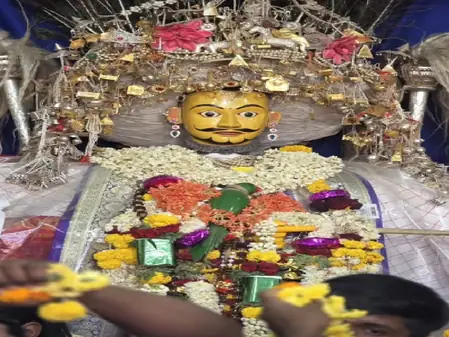
As India gears up for Holi celebrations on March 4, a unique tradition unfolds in Karnataka’s Ramalingeshwar Kamanna Temple. Unlike the colorful festivities of North India tied to Prahlad and Holika, this southern shrine honors Lord Shiva and Kamadeva with ash instead of hues.
The temple draws massive crowds on Holi, revered as South India’s first where Shiva and Kamadeva share the sanctum sanctorum. Devotees believe darshan of both deities together eradicates sins and shatters ego. Kamadeva’s idol, in meditative pose beside the Shiva Lingam, symbolizes this divine union.
Mythology recounts how gods deployed Kamadeva to rouse Shiva from deep penance after Sati’s demise. Shiva, immersed in austerity, neglected creation. Kamadeva’s love arrow disrupted the trance, prompting Shiva’s third eye to reduce him to ashes—punishing his hubris.
This legend inspires the ash-smeared Holi. Devotees apply it on foreheads, recalling ego’s destruction. The five-day festival features rituals, including silver offerings like cradles to Shiva and Kamadeva. Childless couples offer silver swings, trusting their wishes will be fulfilled.
Nestled in Karnataka, this temple transforms Holi into a profound reminder of humility. Amid joyful chants and sacred fires, pilgrims seek blessings for prosperity and peace, blending devotion with ancient lore in a spectacle unlike any other.