
New Delhi is buzzing with anticipation for Holi, but a lunar eclipse on March 3 has sparked confusion over the Holika Dahan timing. While parts of Uttar Pradesh and Braj region lit their bonfires on March 2, Delhi’s devout are waiting for clarity.
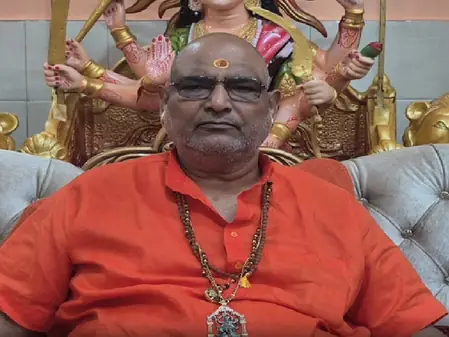
Kalkaji Temple’s Peethadheeshwar has stepped in to dispel doubts. In an exclusive conversation, the revered figure explained that the eclipse’s influence lingers until 7 PM on March 3. ‘Only after this time will the auspicious muhurat for Holika Dahan commence in Delhi,’ he affirmed.
Rooted in the timeless legend of Prahlad’s triumph over Holika, this ritual symbolizes good prevailing over evil. The full moon tithi begins on the evening of March 2, but Bhadra’s shadow and the subsequent sutak period complicate matters. With the eclipse visible until evening, postponing the bonfire ensures sanctity.
Communities across the capital are preparing massive pyres, ready to ignite post-7 PM. This age-old tradition isn’t just about fire; it’s believed to burn away negativity, illnesses, and misfortunes, ushering in prosperity.
For the pooja, offerings of black sesame seeds and coconut are essential. Sesame seeds are said to eradicate inner vices, while coconut invites wealth and joy. As colors splash the streets the next day, Holika Dahan sets the spiritual tone for celebrations.
Delhiites can now plan confidently: March 3, after 7 PM. This guidance from Kalkaji ensures the festival aligns with Vedic norms, blending devotion with festivity in the heart of India.