
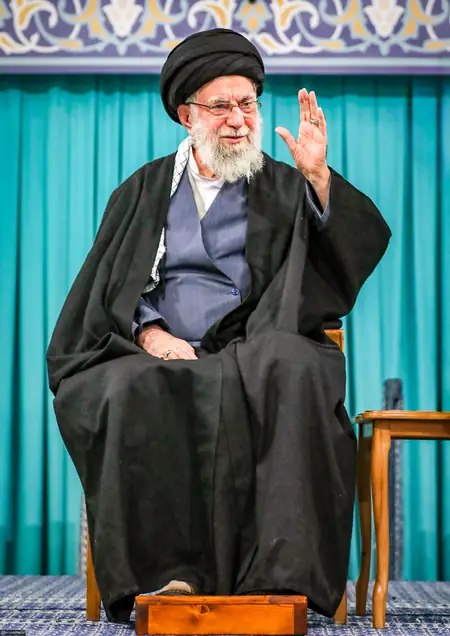
Washington, March 1 – The Islamic Republic of Iran has plunged into uncertainty following reports of Supreme Leader Ayatollah Ali Khamenei’s demise. Statements from U.S. lawmakers and Iranian officials reveal deep confusion over the future of Tehran’s power structure.
U.S. Senate Intelligence Committee Chairman Tom Cotton told CNN that military operations will persist. ‘In the coming days, the American public will witness systematic and deliberate action against Iran’s missiles, their launchers, and ultimately their missile production capabilities,’ he declared.
Speaking to CBS News, Cotton clarified there are no plans for ‘large-scale ground troops inside Iran’ under the President. Instead, an expanded air and naval campaign is on the horizon. He warned that Iran might continue targeting U.S. bases in the region, Arab allies, and Israel.
Senate Intelligence Vice Chairman Mark Warner told CNN that Washington has ‘very little clarity’ on what happens inside Iran post-Khamenei.
Democratic Senator Adam Schiff questioned the scale of military action on ABC News, stating, ‘There was no basis for such a massive military campaign aimed at regime change.’ He noted no imminent threat from Iran to the U.S., but expressed relief that ‘that regime is gone’ and its ‘terrible leader is no more.’ Still, he cautioned against expecting U.S. troops to back any internal uprising.
Iran’s Foreign Minister Abbas Araghchi dismissed U.S. claims, calling America’s actions ‘aggression’ while Iran’s response is ‘self-defense.’ ‘We will defend ourselves, no matter what it takes,’ he emphasized.
As Washington signals sustained military pressure, Tehran labels the strikes illegal aggression. These clashing narratives underscore the profound uncertainty surrounding Iran’s leadership transition.
The coming weeks will be pivotal as factions within Iran vie for control, with the world watching closely. Regional stability hangs in the balance amid escalating tensions.